Up to 45 per cent of dementia cases could be prevented or delayed, according to sweeping new guidelines from the World Health Organisation — the first update to its dementia prevention recommendations in seven years. The guidelines identify a range of modifiable risk factors, from tobacco and alcohol use to air pollution and loneliness, and make clear that tackling the condition will require both individual action and decisive government intervention.
More than 57 million people currently live with dementia worldwide, making the updated guidance among the most consequential public health blueprints released in recent years.
What the new dementia prevention guidelines recommend
The WHO's expert panel identified lifestyle factors as central to reducing dementia risk. A healthy diet rich in leafy greens, berries, nuts and olive oil — and low in processed and ultra-processed foods — was highlighted as crucial, alongside regular physical activity and daily cognitive stimulation.
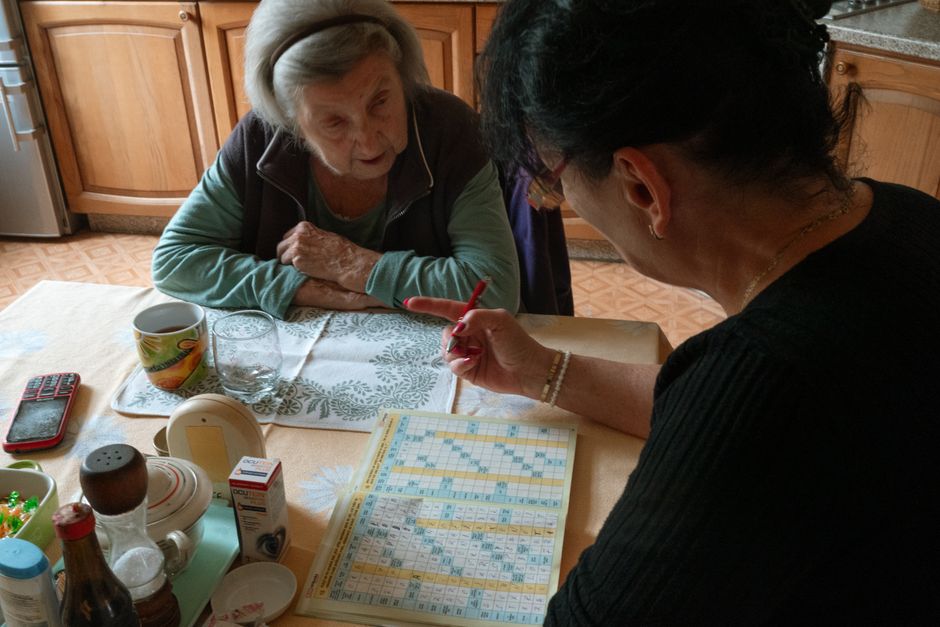
Importantly, that cognitive stimulation needs to be genuinely challenging. Scientia Professor Kaarin Anstey, director of the UNSW Ageing Futures Institute and the only Australian member of the WHO's dementia panel, explained that activities like taking a course, learning a new language, attending public lectures, reading and playing games all qualify. "It's not just doing the same crossword every day," she said.
Other key recommendations include:
- Controlling high blood pressure and managing diabetes
- Avoiding tobacco and reducing alcohol consumption
- Addressing midlife obesity and overweight
- Using hearing aids for people with hearing loss
- Increasing social engagement to guard against loneliness and isolation
WHO Director-General Dr Tedros Adhanom Ghebreyesus said the guidelines translate the latest evidence into concrete action. "Countries now have clear, evidence-based recommendations they can put into practice immediately to protect people's cognitive health," he said.
Air pollution joins the list of dementia risk factors
One of the more notable additions to the updated guidelines is a conditional recommendation to reduce exposure to air pollution — both household and ambient — including fine particulate matter (PM2.5) from vehicle emissions and wood-burning fireplaces.
Professor Anstey noted that many people underestimate their personal exposure. "What a lot of people don't realise is that the risk isn't just for those living next door to a polluting factory. A lot of us are exposed to air pollution living in cities," she said. "The smoke produced from burning a fire in your fireplace can have negative health effects."
Supplements and hormone therapy not recommended for dementia prevention
The guidelines take a firm stance against the use of vitamin and mineral supplements for reducing dementia risk. Vitamins B and E, omega-3 polyunsaturated fatty acids, and multivitamins are all specifically cautioned against for this purpose.
A potentially contentious update concerns menopausal hormone therapy (MHT). The guidelines include a conditional recommendation against using MHT specifically to reduce cognitive decline or dementia risk in post-menopausal women aged 65 and older. There was also found to be insufficient evidence to make a recommendation for or against MHT in women experiencing premature ovarian insufficiency, early menopause or perimenopause for the same purpose.
Professor Anstey acknowledged the evidence in this area is complex. "The evidence base for this is very messy," she said, adding that the panel examined the full body of literature through a rigorous methodology before drawing conclusions.
The guidelines also found insufficient evidence to support specific interventions targeting depression, sleep disorders, stroke, traumatic brain injury, vision impairment or HIV for the purpose of reducing dementia risk.
Government action essential, experts warn
The WHO panel was emphatic that individual behaviour change alone will not be enough to reduce the global burden of dementia. Structural and policy-level action — particularly around air quality, urban planning and access to healthcare — is considered essential to making meaningful progress.
For Australians planning for healthy ageing, the findings also have implications beyond brain health alone. As our population grows older, related decisions around long-term care and housing are increasingly significant — and understanding why the cheapest retirement village entry could end up costing you more is one example of the broader financial and lifestyle planning that older Australians must navigate.


