The Australian Taxation Office's decision to stop accepting credit card payments from November 30 has drawn fierce condemnation from politicians across the political divide, with small business owners warning the move will force them to raise prices and strain already tight cash flows. The ban comes amid broader government changes that prevent businesses from passing card surcharge fees on to customers — while the underlying merchant charges remain.
What the ATO's Credit Card Ban Actually Means
Under the new arrangements, the ATO will no longer accept credit card payments, citing concerns that it would be "not appropriate" for credit card merchant fees to be transferred to the broader community. The agency said it remains committed to supporting taxpayers through the transition.
Taxpayers will still be able to settle their obligations through direct debit, BPAY from debit or cheque accounts, cash, or EFTPOS payments at an Australia Post outlet. Credit card transactions currently make up approximately 2.3 per cent of all tax payments processed by the ATO — a relatively small share, but one that carries significant weight for small operators who use credit to manage timing and cash flow.
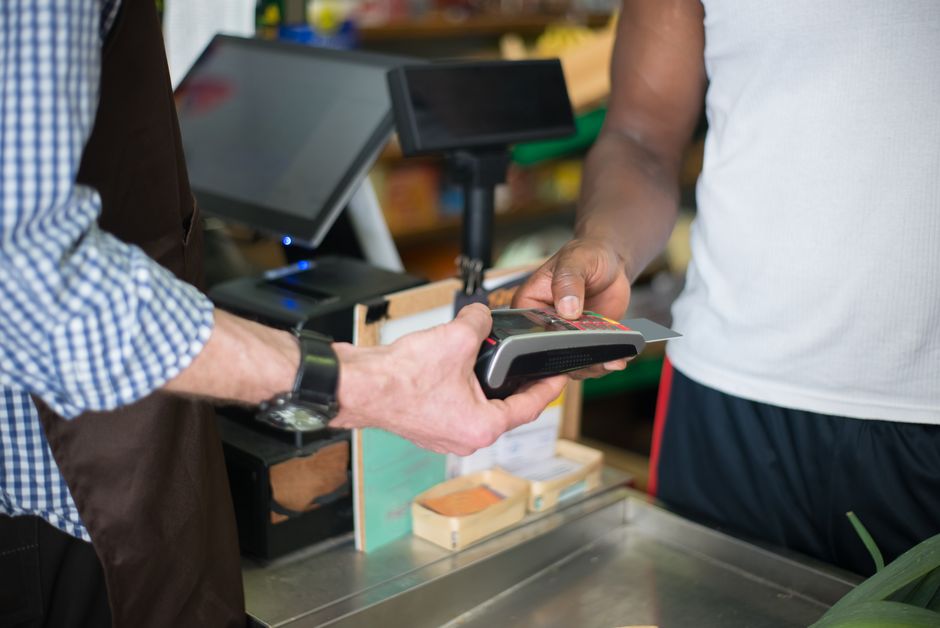
The government has framed its broader surcharge crackdown as a consumer-friendly measure, arguing that card surcharges have been costing Australians $1.6 billion a year and that banning them will deliver savings every time a customer taps their card at a supermarket, café, or when paying a bill. However, economists are warning that businesses will absorb those costs and incrementally lift prices in response, meaning consumers may end up paying regardless.
Politicians from Both Sides Round on the Government
Community Strong MP Allegra Spender, who has previously run her own small business, described the ATO's position as "a bit rich," saying she hears constantly from operators about the difficulties of managing cash flow. She confirmed she would write to the ATO urging it to reverse the decision.
Spender also cautioned that the broader surcharge ban is not a straightforward fix, arguing that banks will simply "find another place to charge" if blocked from applying merchant fees directly. She acknowledged the genuine costs involved in moving money through financial institutions and payment networks.
Deputy Opposition Leader Jane Hume was more pointed in her criticism, accusing the Albanese government of consistently failing small businesses. "Small businesses have been in the firing line of this government from day one; they've had higher energy costs, higher rents, increased taxes, over-regulation and now this on top of it," she said.
Hume noted that many small businesses rely on credit cards specifically to spread large tax bills over time — a cash flow tool that will no longer be available for ATO payments. She described the ban as potentially "the straw that will break the camel's back" for struggling operators, and called on the government to reverse the changes, labelling them "unfair."
Concerns the Savings Promise Won't Materialise for Consumers
Hume also took direct aim at Prime Minister Anthony Albanese, accusing him of misleading the public about the benefits of the surcharge ban. "He promised them that this would mean that they pay less when they check out, but that's not the case," she said, adding: "Just because that cost isn't on the receipt, doesn't mean it doesn't exist."
The concern is that businesses — unable to itemise surcharges — will instead bake the cost of card processing into their base prices, leaving consumers no better off and with less transparency about what they are actually paying.
The ATO acknowledged that some taxpayers depend on credit card payments to manage their tax obligations and said it would continue to assist those facing financial hardship in finding workable alternatives.
As debate over the Albanese government's economic record intensifies heading into an election period, the pressure from small business communities over the credit card payment ban shows little sign of easing.


