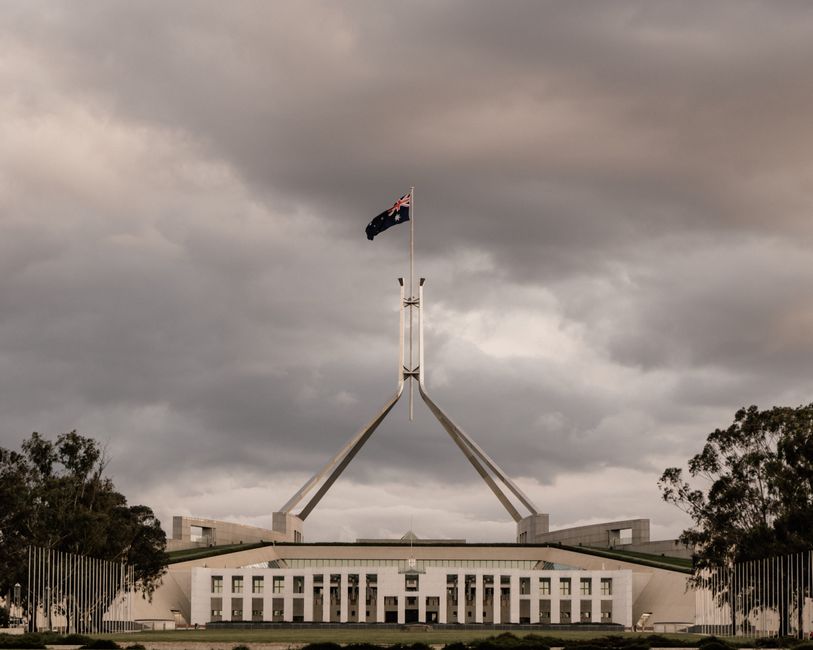
Australia has passed landmark legislation requiring major technology companies to pay millions of dollars in levies unless they strike commercial deals with local news publishers, in a significant move to bolster the country's struggling media industry. The News Bargaining Incentive was passed by parliament on Thursday, placing direct financial pressure on some of the world's largest digital platforms to compensate Australian news organisations whose content drives engagement and advertising revenue on their services.
How the News Bargaining Incentive Works
At the heart of the new framework is a 2.5 per cent levy on Australian advertising revenues that will be applied to tech companies if they fail to reach agreements with local media outlets. The proceeds from the scheme are earmarked for Australian news businesses, recognising that their journalism and content plays a central role in attracting users — and advertisers — to digital platforms.
The legislation targets companies operating a "significant" social media or search service in Australia with local advertising revenue exceeding $250 million. Platforms caught by the measure include Meta, Alphabet's Google, TikTok, and Microsoft's LinkedIn.
Tech companies can avoid paying the levy by reaching commercial agreements with at least eight different publishers before the end of their financial reporting period. The value of those deals can then be offset against whatever levy liability they would otherwise owe.
Incentives Favouring Smaller News Outlets
The legislation includes a tiered offset system designed to encourage platforms to direct funding toward smaller and regional publishers. Deals struck with large publishers attract a 150 per cent offset against the levy, while agreements with small and medium-sized news outlets carry a more generous 200 per cent offset — giving platforms a stronger financial incentive to support local and independent journalism.
To prevent any single arrangement from dominating, the legislation caps the benefit from any one deal at 25 per cent of a platform's total levy liability. Qualifying agreements must either support the production of news content or relate to news content produced by the publisher being made available online through the platform.
For more on how tech firms face higher tax rates in Australia if they refuse deals with news outlets, the financial stakes for platforms that resist commercial arrangements are significant.
Government Hails a New Era for Australian Journalism
The federal government welcomed the passage of the laws, framing them as a milestone for local media. In a formal statement, it declared: "This is an important day for Australian news businesses and Australian journalism."
Authorities were also explicit about timelines, warning platforms that deals must be finalised before the close of a digital platform's financial reporting period in order to count as an offset against liabilities in that period. "The legislation is here, and the message to platforms to pursue commercial deals is clear," the government said.
The laws arrive at a time of intense scrutiny over the power and responsibilities of large digital platforms in Australia. Parliament had just one day earlier passed separate legislation restricting gambling advertisements, underscoring a broader regulatory push targeting the tech and media sectors.
What This Means for Australia's Media Landscape
Australian news publishers — particularly regional and community outlets — have faced years of financial pressure as digital platforms captured an ever-larger share of advertising revenue. The new bargaining incentive is intended to rebalance that relationship by ensuring platforms have a tangible financial reason to negotiate and pay for the journalism their users consume.
The push for tighter regulation of social media's role in public life continues on multiple fronts. A separate debate is also under way, with parents and advocates pushing for stronger social media laws at a Senate inquiry, reflecting growing community concern about platform accountability more broadly.
With the legislation now in force, the coming months will be closely watched to see whether major platforms move swiftly to finalise deals with Australian publishers — or face a substantial levy on their local advertising earnings.


