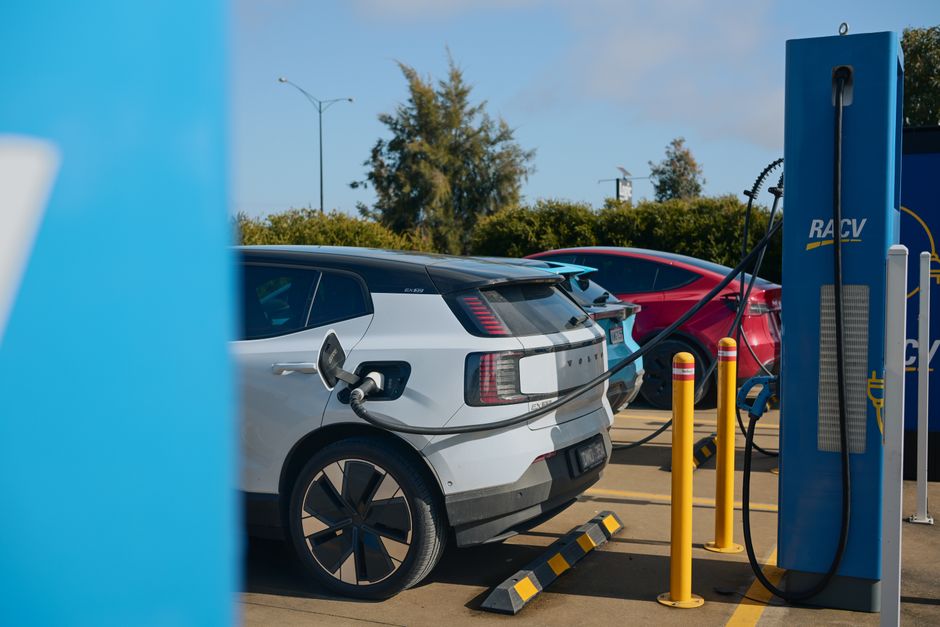
Australia's economy expanded by 0.4 per cent in the June quarter, with record sales of electric vehicles and hybrid cars emerging as a standout driver of growth, according to fresh national accounts data released by the Australian Bureau of Statistics. Annual growth for the 2025–26 financial year eased to 2.1 per cent, as households navigated rising cost-of-living pressures and the economic ripple effects of the US conflict with Iran.
EV and hybrid sales set records amid oil price surge
Household spending rose 0.4 per cent over the quarter, contributing around half of the overall GDP increase. However, the gains were heavily concentrated in one area: electric vehicles and hybrid cars. The bureau recorded a record number of EV and hybrid sales as consumers moved to insulate themselves from sharply higher fuel costs, which have been driven by the US military campaign against Iran and the resulting closure of the Strait of Hormuz.
Outside of the vehicle market, discretionary spending was notably weak. The bureau described broader consumer outlays as "subdued," pointing to the ongoing squeeze from cost-of-living pressures. International tourism saw a particularly sharp decline, reflecting cautious household budgets. Essential spending also softened, with outlays on electricity and gas falling — a consequence of a warmer-than-normal winter reducing energy demand.
Business investment flat; trade sector returns to growth
After playing a key role in the March quarter, private investment was flat in the June quarter. The shift was largely due to a significant drop in imports of data processing equipment destined for new data centres, which offset continued construction activity at those same facilities. Engineering construction for renewable energy and mining projects provided some support, as did ongoing dwelling construction underpinned by a strong pipeline of new home building.
One encouraging sign came from the trade sector, which made its first positive contribution to GDP growth since late 2023. A lift in export activity supported this result, though the bureau noted that elevated imports tempered the overall contribution of net trade to headline growth.
Public demand also added to growth during the quarter, offering additional support at a time when private sector activity remained uneven.
Economic growth remains cautious, ABS warns
The bureau's head of national accounts, Grace Kim, described the economic environment as one of restrained optimism. "While increased spending and business investment occurred in pockets of the economy, imports supported much of the growth, moderating its contribution to overall GDP growth," she said.
Kim's remarks reinforced a broader picture of households and businesses behaving carefully despite pockets of activity, a pattern consistent with ongoing uncertainty around global energy markets and domestic affordability pressures.
State-by-state: NT and Queensland lead, Victoria drags
At the state and territory level, the Northern Territory posted the strongest result, with final demand rising by 1.4 per cent, followed by Queensland at 1.1 per cent. At the other end of the spectrum, Victoria recorded a 0.3 per cent fall in state final demand, weighed down by a sizeable decline in both private and public investment during the quarter.
The June quarter result points to an economy still finding its footing — resilient enough to grow, but reliant on a narrow set of drivers, with consumers making calculated decisions in a world reshaped by geopolitical disruption and persistent cost pressures.


