Young Australians may want to pay closer attention to what's on their plate — because new research out of Western Australia suggests the vegetables eaten in your 20s could have lasting consequences for heart health, and the best choices may differ between men and women.
A world-first study from Edith Cowan University (ECU) has found that young men who consumed more legumes showed significantly lower warning signs linked to heart disease, while young women who ate more cruciferous vegetables demonstrated lower cardio-metabolic risk. The findings have been published in the journal Nutrition, Metabolism and Cardiovascular Diseases.
Different vegetables, different benefits by sex
ECU associate professor Therese O'Sullivan said the differing results between men and women reflect underlying biological distinctions, including differences in muscle mass, fat distribution and hormones.
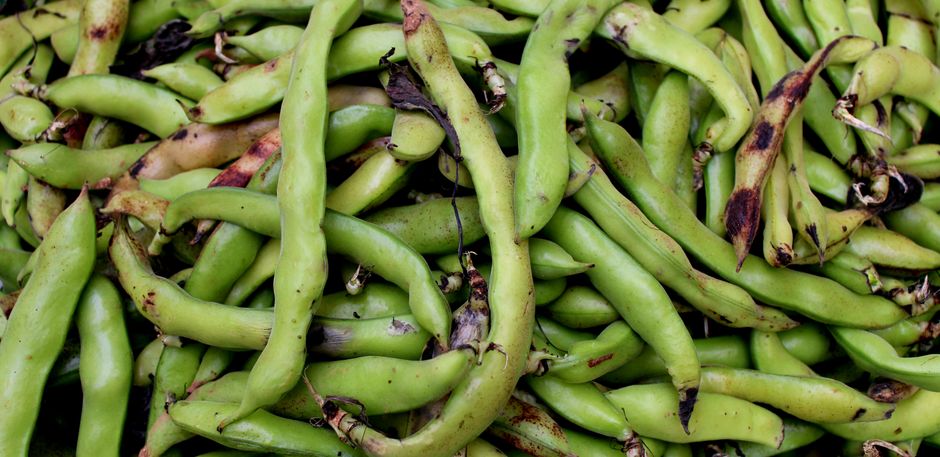
Legumes — a food group that includes beans, lentils, chickpeas and peas — are rich in protein and fibre, and were associated with reduced cardiovascular risk markers in young men. Cruciferous vegetables such as broccoli, cauliflower, cabbage and Brussels sprouts contain compounds linked to better blood sugar control, and appeared most beneficial for young women.
Researchers tracked participants using data from WA's long-running Raine Study, which monitors key health markers including blood pressure, cholesterol and waist circumference across a large cohort over time.
For those looking to boost their protein intake alongside plant-based eating, research into the benefits of low-calorie protein sources for athletes offers additional context on how diet supports long-term physical wellbeing.
Small changes, big long-term impact
One of the most encouraging aspects of the research is just how achievable the dietary threshold appears to be. O'Sullivan noted that just one serve per day of the right vegetables was enough to show measurable benefits.
"These are very small changes that we can make that could potentially have a big impact on our long term health," she said.
The study's full title is Higher legume and cruciferous vegetable intakes are associated with lower cardiometabolic risk in young adults: a cross-sectional study. Researchers hope the findings will help shape dietary guidance specifically tailored to young adults, a group that is often overlooked in heart health conversations despite the fact that habits formed in this period can influence health outcomes for decades.


