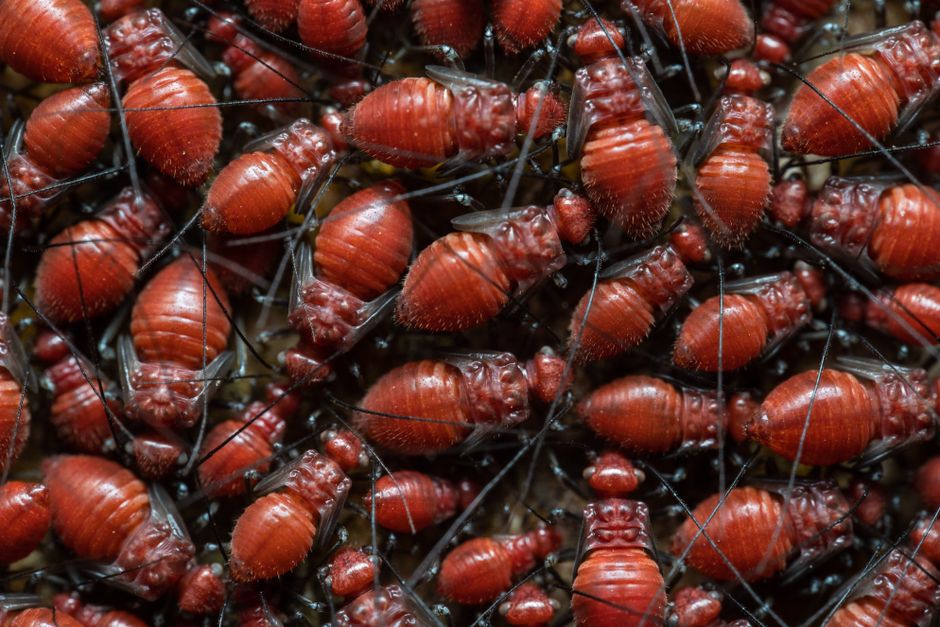
Millions of bogong moths are sweeping across Australia in what researchers are describing as a record-breaking migration season, with sightings roughly six times higher than any previously recorded year. While the winged visitors have been turning up uninvited in homes across the country, conservationists say the spectacle is cause for celebration rather than concern.
Record Bogong Moth Sightings Logged Across Australia
The annual bogong moth migration is well underway, with the insects making their way on a journey of approximately 1,000 kilometres toward the Australian Alps. Along the route, many moths have been pausing in suburban and urban areas, surprising residents who have found themselves sharing their homes with the creatures.
The Zoos Victoria Moth Tracker website has already logged 12,000 verified sightings this season, a figure that dwarfs anything recorded in previous years. Dr Marissa Parrott, a senior conservation biologist at Zoos Victoria, described the numbers as deeply encouraging.
"We're seeing wonderful healthy numbers again after lower years," she said. "That's about six times higher than our previous best seasons. It's just wonderful to see the numbers coming back to where they should be and everyone enjoying a visit from an endangered species."
A Promising Sign for an Endangered Species
The bogong moth is listed as an endangered species, making the surge in numbers all the more significant. Dr Parrott said the moths play a critical role in alpine ecosystems, and their return in such strong numbers has flow-on benefits for other wildlife.
Among the animals that depend on the moths are mountain pygmy possums, a critically endangered species that rely on bogong moths as a key food source during the alpine summer. Once the moths complete their migration, they settle into cool mountain caves where species like the pygmy possum can access them.
"They'll just continue their migration up to those nice, cool caves, to the species that rely on them, like the critically endangered mountain pygmy possums," Dr Parrott said.
How Long Will the Moths Stick Around?
For Australians currently sharing their living spaces with the insects, the disruption may not be brief. Dr Parrott noted that while individual moths are simply passing through, the migration itself could stretch over the coming months as waves of the insects continue moving through on their way to the Alps.
She encouraged residents to be patient and to make the most of the unusual encounter. "Enjoy them while they last, while they have a quick feed, and then they will head on by themselves," she said.
How You Can Help Track the Migration
Researchers are calling on the public to assist in documenting the migration by contributing to the Zoos Victoria Moth Tracker. Dr Parrott urged Australians to photograph any moths they spot and upload the images to the website, helping scientists pinpoint where the insects are travelling, where they face dangers, and how conservation efforts can best support their recovery.
The data collected through citizen science contributions is considered vital for understanding the species and protecting it into the future. With numbers rebounding strongly this season, researchers say the outlook for the bogong moth is more promising than it has been in years.


