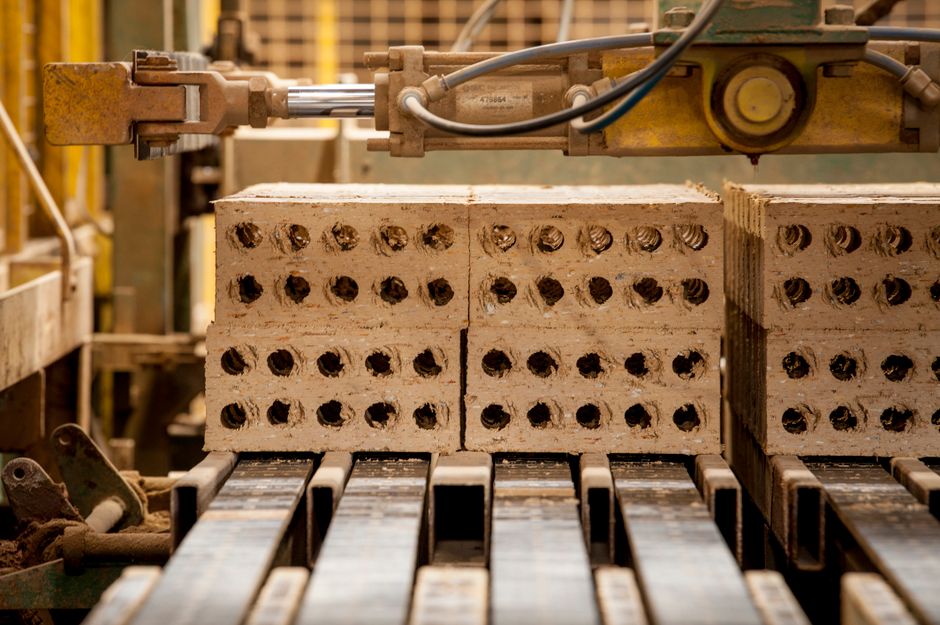
The Western Australian government will inject $4 million in taxpayer funds to reopen a mothballed Brickworks facility south of Perth, in a bid to ease a crippling brick shortage that has left home builders across the state fearing for their futures. The Austral Bricks plant at Cardup, which was shut down in 2023, is expected to resume operations by March and boost WA's brick production by between 10 and 15 per cent.
How the Government's $4 Million Package Works
The funding package has been structured in three parts. A $3 million payment will go directly to Brickworks to recommission equipment at the Cardup site. A further $500,000 has been set aside to ensure the plant is back online by March. A final $500,000 incentive payment will be unlocked only if Brickworks can deliver 17 million maxibricks — the type used in internal walls and general construction — within the first year of operations.
WA Treasurer and Deputy Premier Rita Saffioti said the urgency of the situation demanded action. "This is a time where we can't allow this situation to roll on without doing anything," she said. "We need to get more bricks as soon as possible to ensure this doesn't become a major challenge that exists for years upon years."
How Bad Is WA's Brick Shortage?
The shortage has been building for months. Midland Brick — which became the state's only major brick supplier after Cardup was mothballed — has been rationing supply, leaving builders scrambling. Saffioti noted that when the Cardup plant closed, Western Australia was constructing around 13,500 homes per year. That figure has since nearly doubled, with the state now building approximately 24,000 homes annually.
Even the largest builders in the state are feeling the strain. ABN Group's Dale Alcock said his company had around 100 jobs with slabs poured but no bricks loaded, with supply delays averaging four to six weeks. While welcoming the Cardup restart, Alcock was frank about its limitations: "It will still not produce enough bricks to meet demand, but it's certainly a large help."
Housing Industry Association WA executive director Michael McGowan confirmed that 70 per cent of homes in the state are built using double brick construction — a figure that underscores just how exposed WA's housing industry is to any disruption in brick supply. McGowan warned that delays were likely to persist for at least the next 12 months and urged customers to be patient with builders and tradespeople.
Industry Welcomes Move But Warns It's Not Enough
Home Builders Action Group chairman Jason Janssen, who has been raising the alarm on the shortage for months, said the news offered some relief — but fell short of solving the problem. "It gives us hope from March to next year, but between now and then there is a lot of uncertainty," he said.
Janssen went further, calling on the state government to shift the majority of its public housing construction program — which covers thousands of dwellings — away from double brick to alternative building methods. Doing so, he argued, would free up brick supply for the private market.
The state government has already committed around $100 million to promote alternative construction methods and reduce WA's reliance on double brick. But Alcock argued the industry cannot pivot overnight. "We talk about different methods of construction. We're up for that, but you can't just change your construction methodology overnight as an industry," he said, urging the government to continue supporting both Midland Brick and Brickworks to expand capacity in the years ahead.
What Happens Next
With the Cardup plant expected to be operational by March, the immediate focus will be on whether Brickworks can meet its production milestones and whether that additional capacity makes a meaningful dent in the backlog. Industry figures are cautiously optimistic, but the consensus is clear: WA's brick shortage is a structural problem that will take more than one reopened plant to fully resolve.


