Central Queensland politicians are preparing to take a formal business case to Canberra in September, lobbying the federal government for significantly greater defence investment in the region — a push that has gained momentum as thousands of army personnel descend on the Shoalwater Bay Training Area for the military's largest collective training exercise of the year.
A Business Case Built on Strategic Assets
The proposal, launched by central Queensland mayors in July, outlines several key infrastructure priorities designed to position the region as a national defence hub. These include:
- A defence-logistics hub to repair and maintain military machinery
- A medical training centre aimed at growing the number of local health professionals
- A submarine-support facility to be based in Gladstone
- Short-term accommodation that could double as an athlete's village for the 2032 Olympic rowing events
Rockhampton Mayor Tony Williams said the process was about identifying the Defence Force's priorities and offering practical solutions. "If we get a stronger military and defence presence in the region, it just gives us so many more options there and buffers our local workforce," he said.
Cr Williams also highlighted the accommodation element as a way to ease the region's chronic housing pressure. With a significant fly-in, fly-out workforce servicing the mining and resources sector, a dedicated housing precinct for defence personnel and medical specialists could free up housing stock for the broader community. "If we can start to take the pressure off the existing housing market by having a dedicated area for those workers … that frees up other opportunities for those other needs that we see in our community," he said.
Meetings with the federal government are scheduled for next month, though officials acknowledge the full process is expected to span several years.
Shoalwater Bay: A Training Ground With Deep Roots
Situated 80 kilometres north of Rockhampton, the Shoalwater Bay Training Area encompasses more than 450 hectares of dense bushland and coastline. The Commonwealth acquired the land in 1965, originally using it to prepare soldiers for combat in the jungles of Vietnam. Today, it remains one of Australia's most significant military training environments and a central pillar of the region's defence investment pitch.
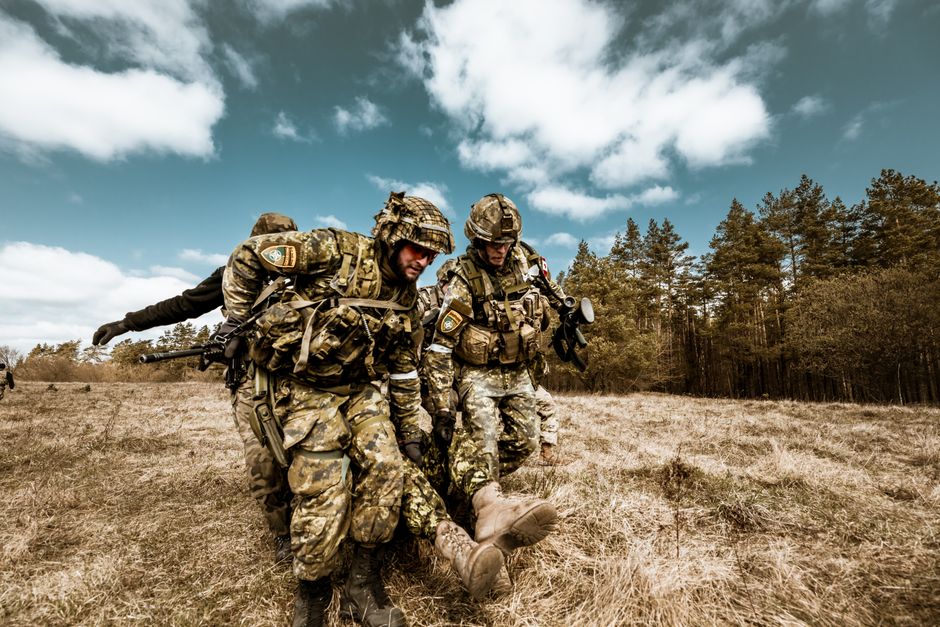
This month, the facility hosted Exercise Pozieres Run, the army's largest collective training operation of the year, involving approximately 3,000 army personnel. Participants were tasked with liberating a simulated community from enemy forces, surviving in the bush on ration packs without beds or showers, and operating alongside actors playing civilians and even a mock television news crew.
Brigadier Jen Harris, who commands the army's seventh brigade and led the operation, described Shoalwater Bay as feeling like "home ground."
New Combat Vehicle Puts in an Impressive Performance
The exercise also served as the most significant field test to date for the Boxer Block II Combat Reconnaissance Vehicle, a new piece of military hardware that has defence officials enthusiastic about its battlefield potential.
Lieutenant Colonel Thomas Johnson said the vehicle was bringing the army firmly into the digital age, highlighting its durability, mobility, inter-vehicle communications capability, and its ability to evade enemy detection. "Its robustness, its mobility, the way it can communicate between the vehicles, as well as the ability for the enemy to really struggle to detect the vehicle … has been a significant advantage," he said.
The Boxer Block vehicles carry an added layer of meaning for those who operate them — each is named after a fallen Australian soldier.
What Comes Next
With the Canberra meetings scheduled for September, the region's politicians face a significant lobbying effort ahead. The business case will need to convince federal decision-makers that central Queensland's combination of training infrastructure, geographic positioning, and workforce needs makes it the right location for long-term defence investment. While the timeline stretches years into the future, advocates say the foundation — anchored by assets like Shoalwater Bay — is already firmly in place.


