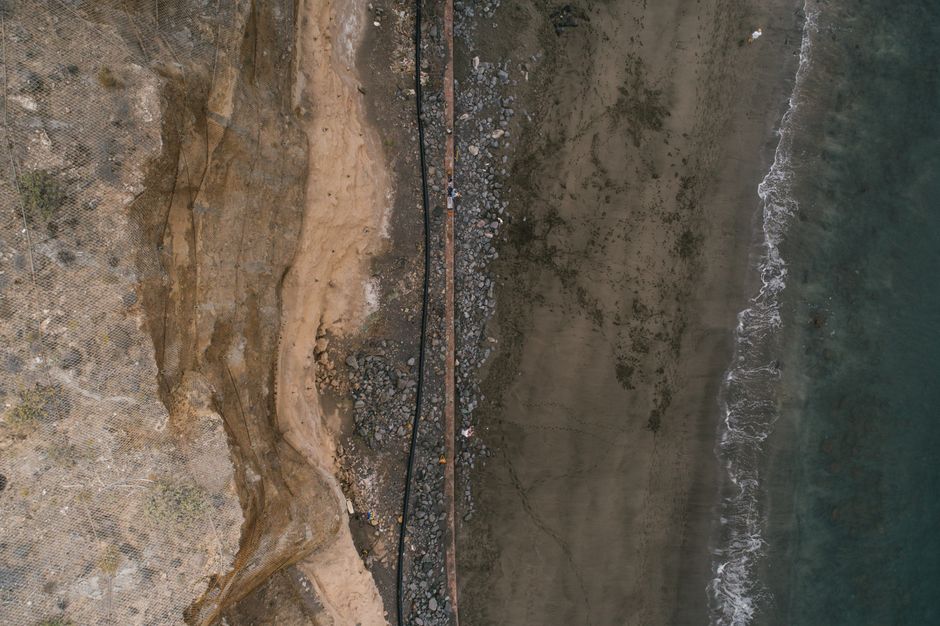
Researchers at Flinders University are recruiting local volunteers to pilot drones along the South Australian coastline at Robe, in a two-year citizen science project aimed at tracking and measuring the accelerating pace of coastal erosion. The District Council of Robe has called for expressions of interest from community members, with participants to be provided with low-cost drones and the training needed to use them.
How the Coastal Erosion Monitoring Project Works
The initiative is a new program under the National Collaborative Research Infrastructure Strategy (NCRIS), designed to expand observation of coastal erosion across Australia. Flinders University associate professor and coastal geomorphologist Graziela Miot da Silva said the goal was to broaden coverage of the coastline by involving community members directly in data collection.
"We're trying to get community members involved so we can cover more coastline, more area, and also a greater number of storm events," Dr Miot da Silva said.
Volunteer pilots will be asked to fly their drones along designated coastal stretches once a month for two years, as well as conducting additional flights before and after storm events to capture erosion changes as they happen. The research team will alert participants when storm events are forecast, meaning no prior expertise is required to join.
While community members will gather the raw footage and data, qualified experts will carry out the technical analysis — calculating changes to shoreline position and sand volume over time.
Why Robe Is at the Centre of Concern
The town of Robe has experienced significant erosion events in recent years. Nearly 10 metres of cliffs near the Robe lighthouse collapsed in July 2025, heightening local anxiety about the long-term stability of the coastline. The town's iconic obelisk is among the landmarks considered at risk, while beaches including Fox and Hoopers have residential properties in close proximity — with Hoopers Beach identified as a particular area of concern for nearby homes.
District Council of Robe CEO Nat Traeger said community awareness of the erosion problem was high, and that structured data collection would be invaluable for planning purposes.
"We need as much data and help as we can get to help inform future grants and adaptation pathways," Ms Traeger said.
While the council already operates its own drone and conducts imagery work, Ms Traeger said a wider, more consistent monitoring program involving volunteers would significantly bolster existing resources. "To have the opportunity to have a scheduled, structured process that includes community volunteers will bolster our resources," she said.
What the Data Could Mean for Coastal Communities
Dr Miot da Silva said the information gathered would ultimately serve as critical baseline data for councils and coastal managers around Australia, helping guide decisions on how best to respond to ongoing erosion.
"In some locations, the best strategy could be sand replenishment. Other strategies could be retreat or adapt," she said. "With that kind of baseline information, we're hoping to give the decision-makers the information they need to make the best decisions for their councils."
Flinders University hopes the Robe project will serve as a model that can be replicated in other vulnerable coastal communities facing similar challenges.
Community Members Ready to Take Flight
Local resident Tina van Nispen is among those eager to take part, despite having never operated a drone before. A self-described nature lover, Ms van Nispen said she had observed firsthand how erosion had shifted sand patterns over the years and was keen to gain an aerial perspective on the changes reshaping the coastline she knows well.
The project reflects a growing recognition that community involvement can play a meaningful role in environmental monitoring — particularly for Australian scientists and researchers working to close observation gaps across vast stretches of coastline that would otherwise go unmeasured.
Those interested in participating can register their expression of interest through the District Council of Robe.


