The federal Opposition has declared it would scrap Labor's $2.1 billion electric vehicle subsidy if elected, with Shadow Attorney-General Michaelia Cash leading the charge against what she called Treasurer Jim Chalmers' "spending addiction" and urging the government to cut the scheme immediately.
Coalition puts EV subsidies in its savings crosshairs
Cash confirmed the policy on Wednesday, arguing that while Australians were free to purchase whatever vehicle they chose, the burden should not fall on taxpayers who are already struggling under rising costs.
"Australians can buy any car they like but the Australian taxpayer, doing it tough under this government, shouldn't have to subsidise that," she said.
Taking direct aim at the Treasurer, Cash said the EV subsidy represented a straightforward opportunity for fiscal restraint. "Jim's already said he doesn't know how to cut his spending addiction. So, here's a really good start, Jim. Cut it tomorrow," she said, adding that the $2.1 billion saving reflected the Opposition's commitment to the Australian people.
Cash framed the EV subsidy cut as part of a broader Coalition savings agenda, claiming the party had now identified $31 billion in savings overall. She declined, however, to commit to any additional government spending on electric vehicle charging infrastructure, keeping the focus firmly on expenditure reduction.
Labor defends the scheme as a cost-of-living measure
Environment and Water Minister Murray Watt pushed back strongly against the Coalition's position, arguing the Albanese government had already demonstrated fiscal discipline by identifying around $180 billion in savings since taking office. He also noted the scheme had already been tightened, with the discount available on more expensive electric vehicles wound back.
Watt rejected the notion that the subsidy was a luxury perk for wealthy buyers, insisting it was delivering real financial relief to everyday Australians, particularly those in outer suburban areas with long commuting distances.
"This isn't just about reducing emissions and the environmental benefits that come from EVs," he said. "It's actually helping Australians right now to deal with the kind of higher fuel prices that we're seeing as a result of the Middle East conflict. This is a cost of living measure as much as it's an environmental measure."
Under current arrangements, vehicles priced below $91,000 receive a full tax exemption, though that threshold is set to drop to $75,000 from April next year, reflecting the government's move to focus the benefit on more modestly priced vehicles.
EV sales rising even as subsidy debate heats up
The political stoush comes at a notable moment for the Australian car market. Electric vehicles have been outselling petrol and diesel vehicles in new car sales over the past two months, according to data from Commonwealth Bank, pointing to a significant shift in consumer behaviour.
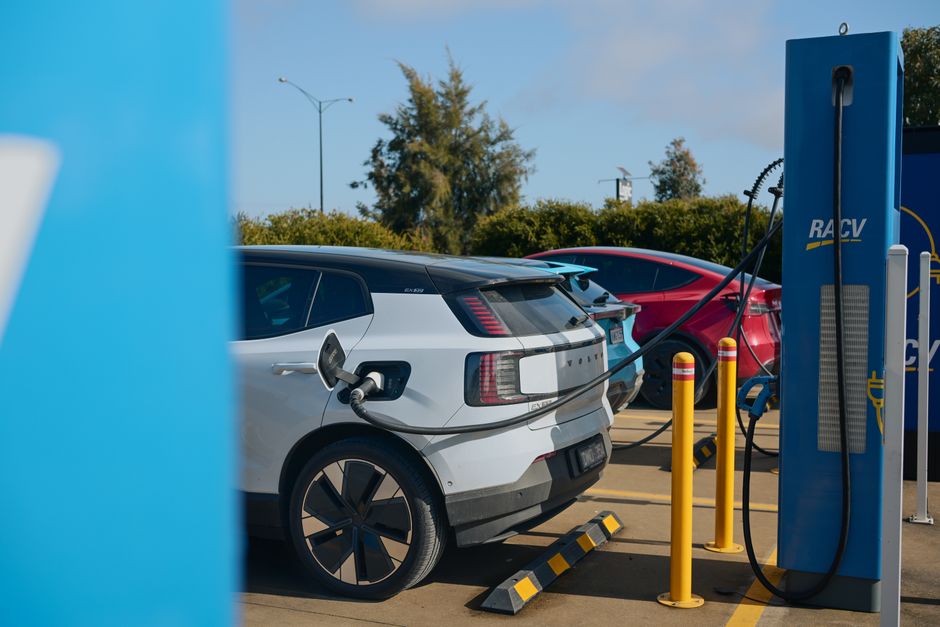
That surge in uptake has, in turn, prompted calls from motorists for expanded charging infrastructure across the country. The Opposition, however, has not indicated it would direct savings from the subsidy cut toward addressing that infrastructure gap, with Cash reiterating the party's savings focus when pressed on the issue.
What the competing visions mean for drivers
The clash highlights a deepening divide between the two major parties on how best to manage both the cost of living and Australia's transition to cleaner transport. Labor argues the subsidy serves a dual purpose, easing household budgets while advancing emissions reduction goals. The Coalition counters that government should not be in the business of directing taxpayer money toward individual purchasing decisions.
With global economic pressures continuing to affect household budgets, the debate over where to direct and where to cut public spending is likely to intensify as the next federal election approaches. Both sides are now openly competing on fiscal credibility, with the EV subsidy emerging as one of the sharpest points of difference between them.


