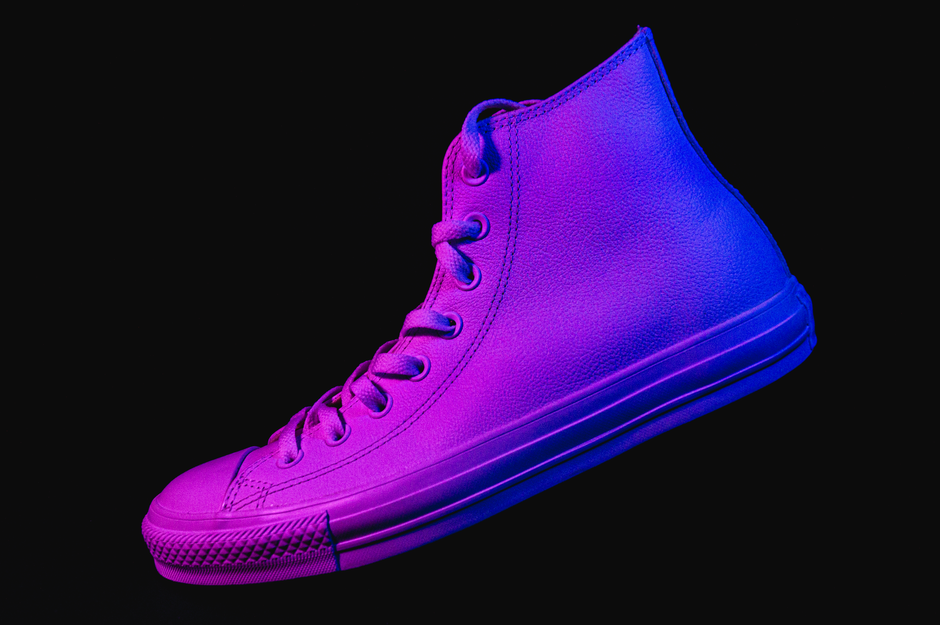
Sneaker giant Converse has pulled a social media advertisement and issued a public apology after widespread online backlash from critics who said the image contained racist imagery evoking the Ku Klux Klan and lynching. The ad, posted to Instagram, featured K-pop singer Karina holding a pair of Chuck 70 X sneakers while wearing a skirt — and was removed swiftly after the controversy erupted.
What critics saw in the Converse ad
The advertisement showed Karina, a prominent K-pop artist, posing with the sneakers. Critics who viewed the image online argued that a white triangular shape created by the lighting on her skirt resembled a Ku Klux Klan hood. Further, they contended that the way she held the pair of sneakers made them appear to resemble the dangling feet of a lynching victim.
The backlash was rapid and fierce. Social media users called for the company to fire the staff members responsible for producing and approving the ad, with some calling for an outright boycott of Converse. A common thread running through the criticism was disbelief that the image had reportedly cleared the company's internal approval processes without anyone flagging the concerns.
Not all responses were condemnatory, however. Some commenters defended the brand, arguing they did not believe the imagery was intentional.
Converse apologises and removes the advertisement
Converse, which is owned by Nike, Inc. and headquartered in Boston, United States, issued a statement acknowledging the community's response and taking responsibility for the misstep.
"We're sorry," the statement read. "We understand why this image is deeply upsetting and recognise that we got this wrong. We removed it from our channels and are working to remove it everywhere it appeared."
Beyond that statement, the company declined to answer further questions — including how its advertising vetting processes work and how the image was approved in the first place. Karina's management company, SM Entertainment Group, had not responded to requests for comment at the time of publication.
Civil rights voices and industry accountability
The controversy drew responses from beyond social media. Texas-based civil rights attorney Lee Merritt posted on Instagram that Converse's apology "doesn't undo what got past legal, marketing and leadership at every step."
"We keep having this conversation because corporations keep failing the same test," Merritt wrote, pointing to a pattern of major companies releasing racially insensitive advertising and subsequently apologising once public pressure mounts.
The incident also comes against the backdrop of a broader reckoning in the retail and fashion industries over racially charged products and campaigns. Just last month, US retail giant Target Corporation pulled a children's Halloween costume from shelves following social media backlash over what critics described as imagery evoking racist minstrel caricatures — the company apologised at the time.
Concerns about racist imagery being called out in public-facing media have become increasingly prominent, with audiences and advocacy groups showing less tolerance for content they view as discriminatory, whether intentional or not.
Background: A brand with a long history
Converse was founded in Malden, Massachusetts, in 1908, and is best known for producing the iconic Chuck Taylor All Star sneaker. The shoe was originally released in 1917 as a non-skid basketball shoe before basketball player Chuck Taylor began promoting it, leading the company to add his signature to the design in 1934.
The brand's global recognition makes controversies of this kind particularly high-profile. Questions about how major corporations screen creative content for culturally sensitive material are likely to persist in the wake of this incident, with critics arguing that systemic failures — not just individual oversights — allow such imagery to reach the public.


