Australian scientists have made a significant step forward in the fight against Parkinson's disease, finding that a simple daily pill can reduce brain inflammation in people who show early warning signs of the condition — raising the possibility of stopping the disease before it fully takes hold.
What the Research Found
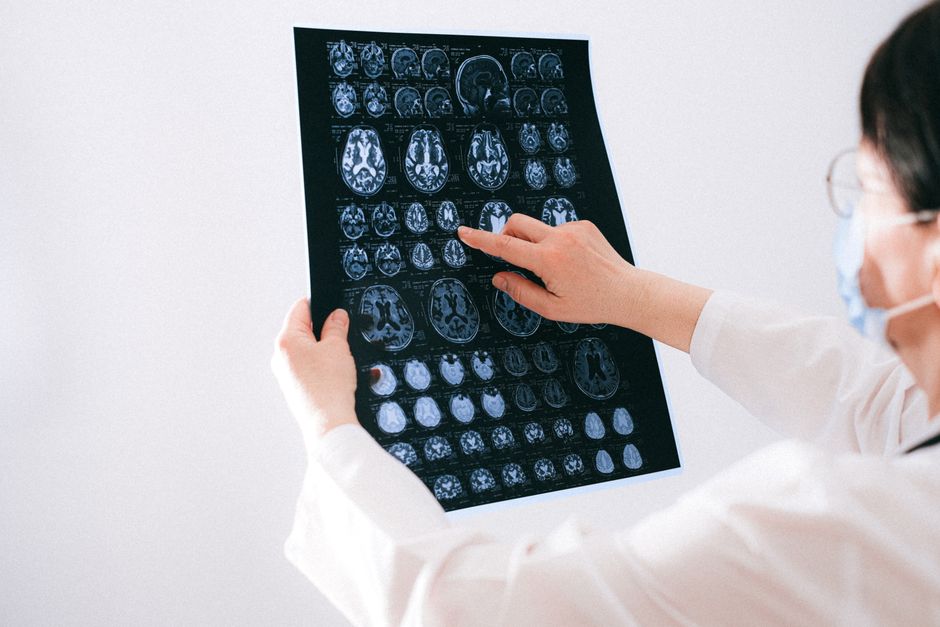
Researchers in Sydney administered an experimental oral drug to 41 participants who were displaying early indicators of Parkinson's, including abnormal movement during sleep. After several weeks on the pill, brain scans revealed a measurable reduction in inflammation in the region of the brain responsible for controlling movement.
Professor Simon Lewis from Macquarie University described the findings as genuinely exciting, noting that current treatments for Parkinson's only address symptoms rather than the underlying progression of the disease. He said that if the drug can prevent the death of key brain cells, it may ultimately be possible to stop some people from ever developing Parkinson's at all.
"It's really exciting because at the moment we only have treatments that deal with symptoms in Parkinson's, nothing that slows the disease," Professor Lewis said, adding that he wants to remain cautious so as not to raise expectations prematurely.
The Scale of the Parkinson's Challenge in Australia
The stakes are high. More than 150,000 Australians are currently living with Parkinson's disease, and that figure is projected to triple by 2050. There is presently no cure for the condition, which progressively affects movement, balance and other bodily functions.
For patients like 69-year-old Seamus Fagan, the daily reality of Parkinson's is defined by slowness when walking, dragging feet, and a lost sense of smell. He said he wished this kind of early intervention had been available a decade ago, when it might have changed the course of his diagnosis.
Parkinson's Australia CEO Olivia Nassaris acknowledged that the community has had few reasons for optimism in recent years, saying there have not been many breakthroughs to give patients genuine hope.
What Comes Next — and What It Will Cost
While the initial results are promising, researchers are clear that this is only a first step. Reducing brain inflammation in a small trial does not yet confirm the drug can prevent Parkinson's from developing — that will require longer and larger clinical trials.
Professor Lewis estimates those expanded trials will cost in the order of $6 million, and securing that funding remains the next critical hurdle. He is careful to frame the current findings as encouraging rather than conclusive, urging measured optimism rather than certainty.
The discovery nonetheless represents a meaningful shift in how researchers are approaching the disease — moving focus from managing symptoms after diagnosis to potentially intercepting the disease before it begins. For the hundreds of thousands of Australians at risk, that shift could prove life-changing.
For those interested in how early detection is reshaping other areas of medicine, our coverage of how doctors detect artery blockages before stent procedures explores similar themes in cardiovascular care.


