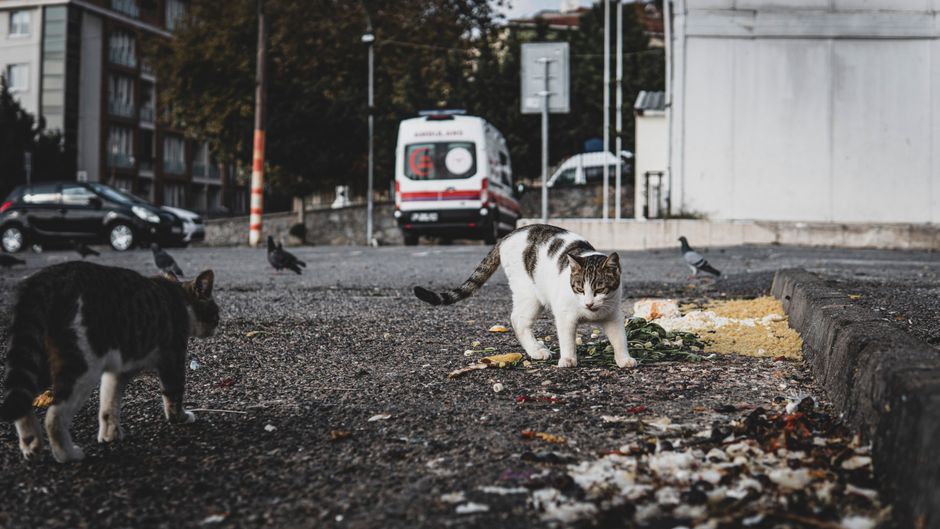
The Block's upcoming season is facing an unexpected hurdle before a single wall is knocked down, with dozens of feral cats believed to be living on and around the show's new build site at Jacksons Hill in Sunbury, Melbourne's north-west. Animal welfare advocates are now calling on the Nine Network to step up with a formal welfare plan before construction begins in the new year.
Cats at The Block Site Spark Welfare Concerns
The Jacksons Hill site — which formerly housed an asylum and psychiatric hospital — is already known to be home to a colony of unowned cats currently being cared for by a group of local volunteers. Those volunteers are hoping to reach a formal agreement with Hume City Council that would allow them to legally trap, treat and rehome the animals.
Nine Network has confirmed it is aware of the cats near the site and says it is "assessing the situation prior to their safe removal" ahead of construction. A network spokesperson said it intends to keep all relevant stakeholders engaged throughout the process.
State Animal Justice Party MP Georgie Purcell has written directly to Nine and The Block, urging them to develop a comprehensive welfare plan that coordinates rescue efforts and veterinary support for the animals.
"While The Block isn't responsible for causing this problem, they can be part of the solution, and this is a chance for them to show some goodwill to the community, respect for animals rather than just profiting off development," Purcell said.
She warned that site clearing, demolition, construction traffic, fencing and the broader transformation of the location would only disturb and displace the cats, making future rescue attempts significantly harder. At minimum, Purcell said the production should fund veterinary assessments and provide financial assistance to foster carers.
Legal and Logistical Hurdles for Rescuers
Under Victoria's Domestic Animals Act, the management of feral cats is primarily the responsibility of local councils — except on crown land such as national parks, where responsibility is shared with the state government. When cats are collected by council pounds or rescue shelters, they must be held for eight days before they can be rehomed or, where necessary, euthanised. That holding period does not apply to cats classified as "wild, uncontrollable or diseased."
Volunteer rescuers say the existing framework leaves independent carers to shoulder significant financial, logistical and legal risk, particularly when shelters are unable to accommodate entire colonies. Advocates are pushing for a clearer legal pathway that enables humane trapping, desexing and rehoming without individuals bearing those risks alone.
The Cat Protection Society of Victoria, while not directly involved with this particular colony, rehomes between 600 and 700 stray cats each year. Operations manager Alison Thompson said the work demands considerable community support.
"Most strays also require behavioural work, some quite substantial. We're very fortunate to be supported by a cat-loving community who provide volunteer hours and financial assistance," Thompson said.
Site Already Facing Heritage Backlash
The feral cat situation is not the only challenge confronting the new season's production. The Jacksons Hill site has already drawn community opposition over its historical significance. According to the Victorian Heritage Register, the site — then known as Caloola — opened as an industrial school in 1864, before later becoming an asylum and psychiatric hospital. Local concerns about the site's heritage value have added another layer of complexity to the planned build.
What Happens Next
With construction scheduled to begin in the new year, the window for resolving the cat welfare situation is narrowing. Volunteer carers remain hopeful that a formal agreement with Hume City Council can be reached, while pressure continues to mount on Nine Network to take a more active role. The network's response in the coming weeks is likely to determine whether the cats can be safely relocated before work on The Block's newest season gets underway.


