Two Australian charities have joined forces to bring free hearing health services directly to students in remote Western Australia, launching a three-year pilot program that sends a specially decorated bus to schools across the state's Midwest — a region described as having one of the country's most significant gaps in children's hearing care.
The Buranymarda Marugundi Program — meaning "Good Strong Tomorrow" in the Badimaya language — is a partnership between Teach Hear Speak and Ear Health Australia, delivering coordinated, cost-free hearing check-ups alongside occupational and speech therapy to students who would otherwise go without. Schools in communities including Yalgoo, Mount Magnet and Meekatharra are among those being targeted in the initial rollout, which covers 10 schools.
Bringing Hearing Services to the Students Who Need Them
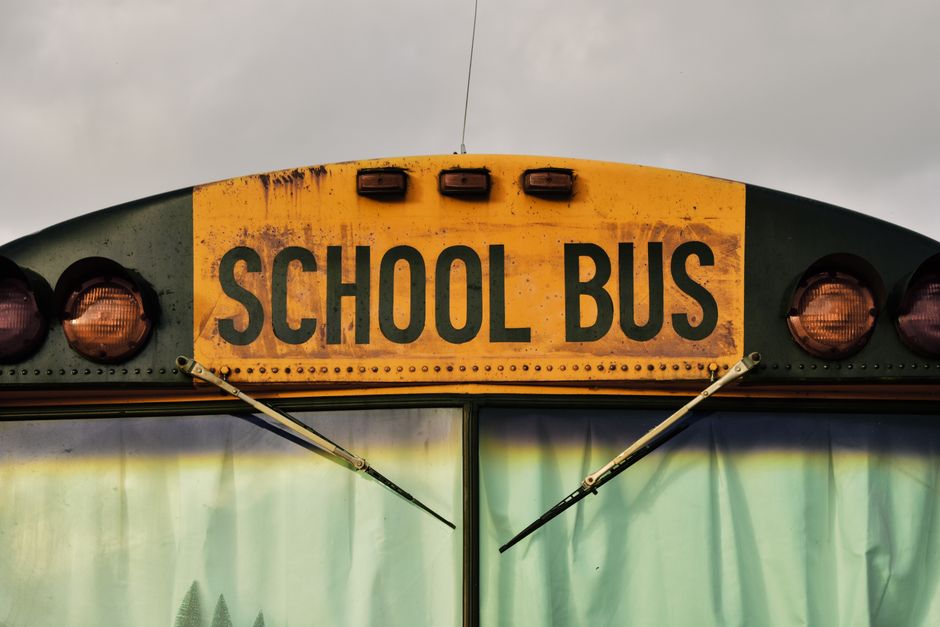
The program's central premise is straightforward: rather than expecting families in remote areas to travel long distances to access specialist services, the services travel to them. The bus — decorated with artwork created by students at Rangeway Primary School — visits schools to conduct hearing check-ups and provide follow-up coordinated care.
For Geraldton mother Jasmin Mcaullay, the value of that approach became immediately apparent when a school visit revealed her son Zaxson had ear congestion — a condition she might not otherwise have discovered without the program coming to her.
"I guess that's why the bus is so handy … it makes it more convenient for mums to get [their kids' ears] checked out," Ms Mcaullay said. "I think it's really important for kids to have their ears checked."
Teach Hear Speak chief executive Dr Carole Steketee said the barriers preventing regional families from accessing care were well understood but difficult to overcome without direct intervention. "There are barriers around cost, long wait times, long delays, long distance travel," she said.
Dr Steketee also highlighted the long-term nature of the support being offered, noting that children identified through the program remain on the charity's register for ongoing monitoring. "We can see there is an intergenerational impact because once we start seeing a child we don't release them from our register and we're constantly doing check-ins, adjusting supports according to their needs," she said. This kind of sustained, wraparound care is similar to the continuity of support discussed in debates around NDIS support providers and complex health needs.
A Region with One of Australia's Biggest Hearing Service Gaps
Ear Health Australia founder Paul Higginbotham said the Midwest region of Western Australia presented a particular challenge, with services becoming increasingly scarce the further inland communities are located from Geraldton.
"The further east you go there's a challenge of delivering services into places like Meekatharra, Mount Magnet and Yalgoo," he said. "We know there are kids right across this region who are sitting in classrooms and can't hear what's going on."
Mr Higginbotham was direct about the consequences of untreated hearing loss on educational outcomes, particularly for Aboriginal children. "You can't close the gap unless you can get a generation of kids through school," he said. "And these kids can't get through school because the gunk in their ears is stopping them hearing."
He argued that mobile, community-based hearing services had the potential to create lasting change across future generations if delivered consistently and early enough.
Data Collection and Plans to Expand
While the program currently targets 10 schools, Dr Steketee said the pilot phase was designed as much to gather evidence as to deliver services, with expansion firmly in view. "It's a start and we hope through this program we start gathering the data and understanding what's working and what isn't," she said.
The three-year timeframe is intended to generate a strong evidence base that could support a broader rollout, giving organisers the information needed to refine the model and make the case for scaling up into more communities across regional Western Australia.
The program represents a growing recognition that hearing health in childhood is foundational to learning, development and long-term outcomes — and that for remote and regional communities, those outcomes depend on services being willing to make the journey to them.


