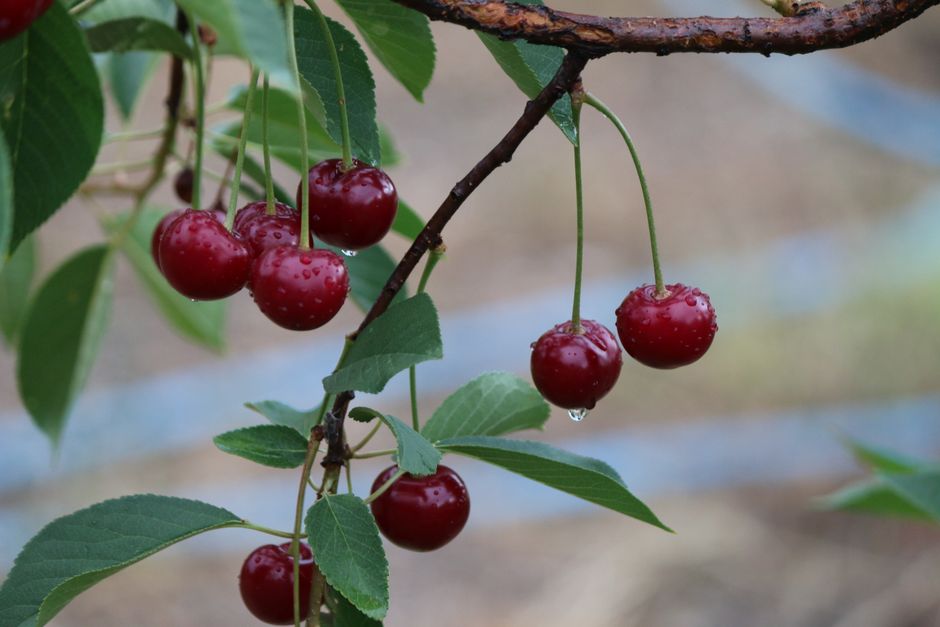
Three generations of the Ali family share three enduring convictions: a strong dislike of Sydney, a deep affection for the small NSW town of Young, and an unwavering commitment to growing cherries. Their story is a remarkable thread in the fabric of Australian migration — one that winds from the mountains of north Lebanon to the cherry orchards of the NSW South-Western Slopes.
Roots Replanted: Lebanese Farmers Find a Home in Young
The late Mostapha Ali arrived in Australia in 1977, fleeing a brutal civil war tearing through Lebanon. He brought with him generations of farming knowledge from his homeland, settling initially in western Sydney with his seven children before a pull toward the land drew him further afield. Weekend and seasonal trips picking fruit in regional NSW planted a seed, and in 1990 he purchased a cherry farm on the outskirts of Young.
What followed was more than a commercial venture. Mostapha applied ancient Lebanese agricultural techniques to the Australian soil — including hand-digging trenches around trees and flooding them with water, a method used for thousands of years in rural Lebanon to keep saplings hydrated without the use of chemicals. The farm became, in many ways, a cultural statement as much as a working orchard.
"Dad was an old-school farmer. He used to grow pomegranates and olives in his village. So when he came to Young, he picked farming back up," said his eldest son, Bassam Ali, now 52, who continues to work the family property. "And we have laid roots here. Young is a special place."
Three Generations on the Land
Today, Mohammed Ali, 25, represents the third generation to work the orchard his grandfather built. Navigating the property on a dirt bike, he oversees cherry trees that now stretch toward the horizon — a far cry from the modest farm Mostapha first acquired more than three decades ago.
Mohammed describes his grandfather as "a straight shooter" — a hard-working, well-respected man who organised the family's collective effort on the land from the earliest days. Like his aunts and uncles before him, Mohammed was put to work on the farm from a young age, absorbing the rhythms of cherry farming alongside the traditions passed down from Lebanon.
The orchard's growth mirrors a broader demographic shift in Young itself. The Ali family is part of a growing Lebanese community that has quietly transformed the town, establishing institutions including a school and a mosque. Hearing Lebanese-tinged Arabic spoken in such a small, regional setting remains striking — a reminder of how migration reshapes places in unexpected ways.
Why Young? The Pull of the Land
Young's appeal to Lebanese families is not accidental. The town's well-established cherry farming infrastructure offered a ready-made platform for families with deep agricultural traditions. For migrants like Mostapha, whose ancestors had worked the land in Lebanon for generations, Young represented a rare alignment of opportunity and identity.
The community that has grown up around farming there is, as Bassam puts it, "a living tapestry" — woven from threads of Lebanese heritage, the migrant experience in Sydney, and the particular character of regional NSW life. For those involved, the distance from Sydney is a feature, not a flaw. Young offers the peace, space and connection to the land that many Lebanese farming families had been searching for since leaving their homeland.
The Ali family's journey resonates with broader themes of Lebanese settlement in Australia — a community that has repeatedly found ways to rebuild its traditions in new soil. For more on Lebanese community life in Australia, see how one Lebanese neighbourhood created its own celebration without even a football field.
For the Alis, Young is no longer simply where they farm. It is, unambiguously, home.


