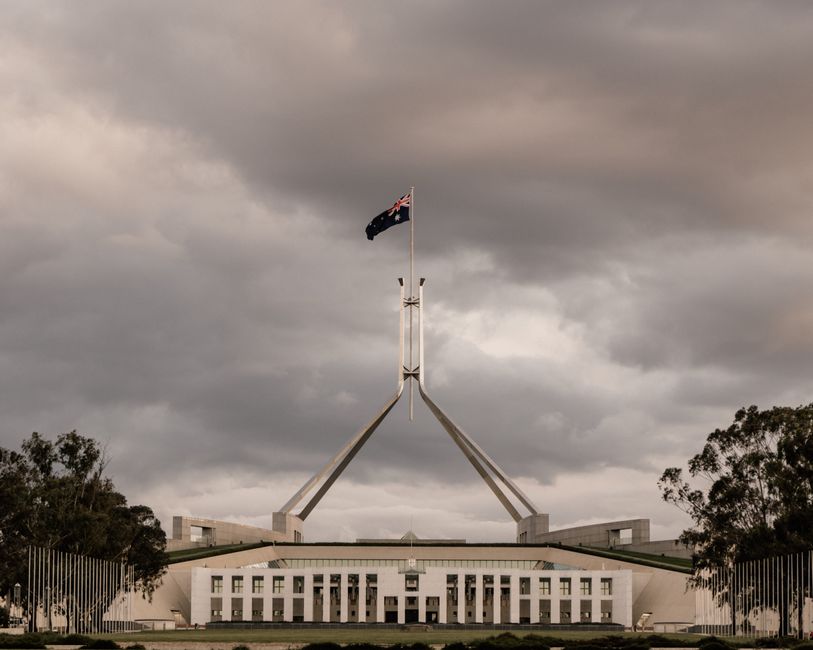
The Greens are pushing to give individual Australians the legal right to sue major technology companies for compensation if they are harmed online, as the Albanese government's digital duty of care legislation prepares to be introduced to parliament this week.
The proposed reforms, unveiled by the government last month, are designed to hold social media giants such as Meta and X accountable for harmful content — particularly content exposed to under-18s, including pornography, material promoting eating disorders, and content that fosters hostility toward women. But the Greens say the legislation does not go far enough.
What the Greens Are Demanding
Greens senator Sarah Hanson-Young has called for the laws to be amended in three key ways: granting Australians a private right of action to pursue big tech companies in court, introducing stronger restrictions on addictive algorithms, and setting financial penalties tied to a percentage of a company's global revenue rather than a fixed cap.
"To meaningfully change the behaviour of big tech companies, the digital duty of care laws must include the right for Australians who have been harmed online to be able to take legal action and seek compensation for the damage done," Hanson-Young said.
She argued that enforcement could not be left solely to the eSafety Commissioner. "To really put Australians' online safety at the heart of this reform, individuals and the community need to have the right to take on Big Tech through a private right of action," she said.
Under Labor's current draft legislation, only the eSafety Commissioner has the power to take action against tech companies, with fines capped at $109.2 million. Hanson-Young described that figure as woefully inadequate, noting that major technology firms generate billions of dollars from Australian users through algorithmically driven platforms.
Why the Greens Hold the Balance of Power
The government's path to passing the digital duty of care laws runs squarely through the Greens. Both the Coalition and One Nation have signalled they are unwilling to support the legislation in its current form, with opposition communications spokeswoman Sarah Henderson branding the proposed laws "dangerous and undemocratic" and calling on Labor to scrap the bill entirely and start again. Critics across the political spectrum have raised concerns that the legislation amounts to a form of censorship.
In response to one of those concerns, the government is understood to be preparing to remove a provision that would grant the Communications Minister ministerial discretion to designate new categories of online harm — a power that drew criticism from the Coalition, One Nation and the Greens alike as an excessive concentration of authority in a single minister's hands.
The proposed laws also include a "my feed, my way" initiative, which would allow all Australians to opt out of algorithmically curated content feeds in favour of a chronological feed of accounts they already follow. For more on how mobile apps are reshaping the way Australians engage online, the patterns driving this debate run deep.
US Pressure and the Global Stakes
Any move to allow Australians to sue big tech companies could put the Albanese government on a collision course with the United States. The Trump administration has already made clear its opposition to the digital duty of care framework, and White House economics spokesman Kush Desai warned that "President Trump has unequivocally warned trading partners against imposing digital services taxes, fines, and other forms of extortion on America's leading technology sector."
The international dimension adds significant diplomatic weight to the debate. Meta, which owns Facebook, Instagram and WhatsApp, recently agreed to an $US18 billion ($25 billion Australian) settlement with a number of US states and territories over claims the company had caused harm to children — a landmark case that has added momentum to calls for greater accountability globally.
What Comes Next
The digital duty of care bill is set to be introduced to parliament this week alongside separate legislation covering the tax treatment of trusts and a gas reservation policy. With the Coalition and One Nation appearing unwilling to deal, the government's ability to pass its digital safety agenda will almost certainly depend on reaching agreement with the Greens — making Hanson-Young's proposed amendments a central point of negotiation in the weeks ahead.


