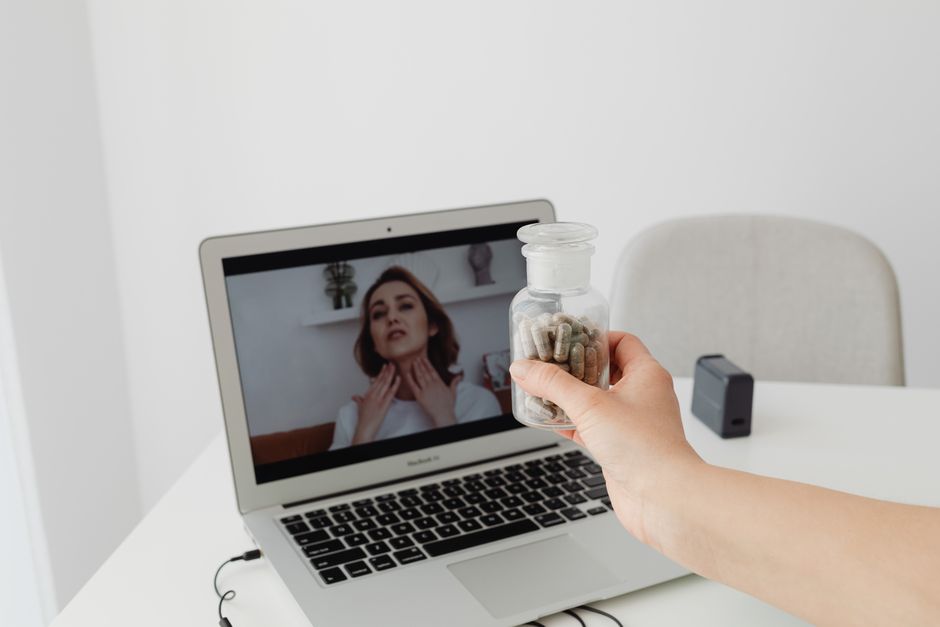
Australians are being urged to think carefully before purchasing unregulated peptides online, with health experts warning the products carry serious — and potentially fatal — risks. The caution comes as the Therapeutic Goods Administration (TGA) intensifies its crackdown on the booming digital trade in unapproved peptide products, putting those who illegally advertise, import or supply them on notice.
For one Australian family, the warning arrives too late. Isabella Boutin's brother Alex died at just 33 years old after suffering a heart attack, following years of using body enhancement drugs that included peptides. The loss prompted Isabella, 37, to leave a successful bridal business in Paris and return to Australia to raise awareness about the dangers.
"There's no real words to describe the loss that we've had in our family," she said. "I've seen my parents absolutely devastated by losing their son and, as a sibling, it's almost like you've been amputated."
A trusted friend's advice — and a deadly consequence
Isabella said she had no idea her brother was using peptides until a few years before he died. When she found out, Alex assured her there was nothing to worry about.
"He told me that they were safe and that it had been a friend that had told him about it and that it was going to be really good for him," she said. "I had no idea that they were going to be dangerous at all."
It is a scenario that experts say is playing out across Australia, with young people in particular being drawn into the online peptide market through social media platforms and word of mouth. Isabella said she hopes sharing Alex's story will prevent others from making the same tragic mistake. "I don't want anyone else to go through this pain," she said.
How the unregulated peptide trade operates online
Peptides are short chains of amino acids that assist the body with growth and repair. While certain peptides are approved medicines legally prescribed by doctors to treat genuine medical conditions, a growing range of unapproved products are being aggressively marketed online as shortcuts to building muscle, burning fat and speeding up recovery.
University of Queensland researcher Dr Timothy Piatkowski said young Australians are being heavily targeted through social media. "If you go onto Instagram or TikTok, there are targeted ads presented very, very readily," he said. "Click those ads and move into a WhatsApp chat where you can very, very quickly and easily purchase these products and have them shipped to your house within 48 hours or less sometimes."
Investigations have confirmed just how accessible these products are, with some purchases made via social media arriving at buyers' homes within hours of ordering.
What's actually inside the products?
Beyond the legal risks, Dr Piatkowski said the contents of many unregulated peptide products are deeply concerning. Research conducted through his program at the University of Queensland found significant inconsistencies in what the products actually contained.
"Not only were the products underdosed but they were also overdosed," he said. "Some of them had nothing in them. Some of them had 190 per cent of the actual dose." He warned that this makes it impossible for consumers to know what they are putting into their bodies.
Regulation alone won't fix the problem, experts say
While the TGA's enforcement action is a step forward, Dr Piatkowski believes it will not be enough on its own to address the scale of the issue. "This definitely isn't a problem that we can regulate our way out of," he said.
He called for people who are already using these products to be given evidence-based harm reduction information, including safer injecting guidance and accurate data about what unregulated peptides may actually contain.
For Isabella Boutin, the priority is simple — ensuring no other family suffers the grief hers has endured. "It's just really hard to explain," she said. "There's just no words for such a pain."


