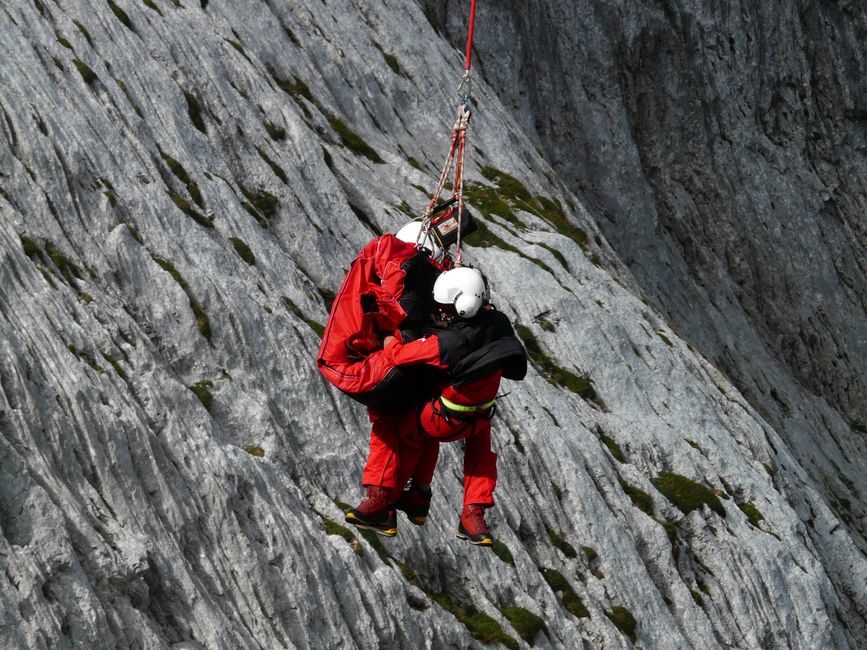
Behind every successful mountain rescue in Queensland is a race against terrain, weather and time — and recent high-profile tragedies have thrown the extraordinary complexity of these operations into sharp relief. Experts working at the frontline of remote rescues say a single slip can unfold in seconds, while the effort to bring someone home safely can consume hours, multiple agencies and carefully rehearsed contingency plans.
The deaths of teenage hiker Lily Hooper, who became lost during a bushwalk in New South Wales, and Gold Coast magician Daniel Hidden, who disappeared on a hike, have shaken communities and renewed public attention on just how quickly conditions in remote terrain can become life-threatening — even for experienced walkers.
A Mother's Day Rescue on Mount Walsh
One rescue that illustrates the scale of the challenge involved Suzanne Tobin, a 65-year-old retiree from Bundaberg, who was about an hour into a difficult bushwalk on Mount Walsh on Mother's Day last year when she lost her footing in a rocky creek gorge.
"You had to hold onto trees at different points and anchor yourself with all four limbs and I just lost my footing and fell back," Suzanne recalled. "I only fell 1m but, unfortunately, my body twisted and I felt my leg go and I knew I had done some serious damage because I heard it break."
The fall itself was brief, but what followed was anything but. The gorge's dense vegetation, steep slopes and slippery ground made it impossible to carry Suzanne off the mountain by foot. A Queensland Ambulance Service paramedic hiked in to treat her and administer pain relief, while firefighters and fellow bushwalkers attempted to move her on a stretcher — clearing branches and pushing saplings aside — before the terrain made further progress untenable.
With ground extraction ruled out, the operation shifted to an aerial solution.
The Helicopter Winch: 'Very Little Room for Error'
LifeFlight pilot Tony Miller, who has spent four decades in the cockpit, was tasked with one of the most demanding extractions of his career. The aircraft had to descend into the treeline and manoeuvre through a tight ravine hemmed in by thick bush before he could hold position long enough for a medical team to be winched down to Suzanne.
"It was up there with one of the most challenging land missions I've ever had," Miller said. "There was a high degree of difficulty for sure, and very little room for error. Very tight margins."
The crew also had to manage deteriorating weather — low cloud and showers — while keeping a close eye on the aircraft's fuel supply. Suzanne was ultimately winched to safety, her rescue a testament to the coordination required across multiple agencies and disciplines.
The Training Behind Every Rescue
Queensland Fire Department senior vertical and mountain rescue instructor Ben Carroll has spent years preparing crews for exactly these kinds of operations. The work involves training rescuers to navigate dangerous and unpredictable terrain, manage specialist equipment and adapt plans on the fly as conditions change.
Successful mountain rescues typically draw on paramedics, firefighters, helicopter crews and ground search teams simultaneously — each with defined roles, each dependent on the others. Backup plans must account for shifting weather windows, limited daylight and the physical toll on rescuers themselves moving through rugged bush.
Australia's remote landscapes have long presented particular challenges for emergency services. The difficulty is compounded in areas with dense canopy cover, where aerial visibility is limited and winch operations demand exceptional precision from pilots.
A Renewed Focus on Hiker Safety
The recent tragedies and rescues have prompted renewed calls for hikers — regardless of experience level — to take seriously the risks posed by remote terrain. Both individuals whose deaths drew national attention were described as experienced in the outdoors, underlining that even seasoned walkers are not immune to the speed at which conditions can deteriorate.
For rescue personnel, each operation is a reminder that the margin between a difficult mission and a fatal outcome can be measured in metres, minutes and weather windows — and that the systems keeping hikers alive depend on years of specialist training and split-second decision-making when it matters most.


