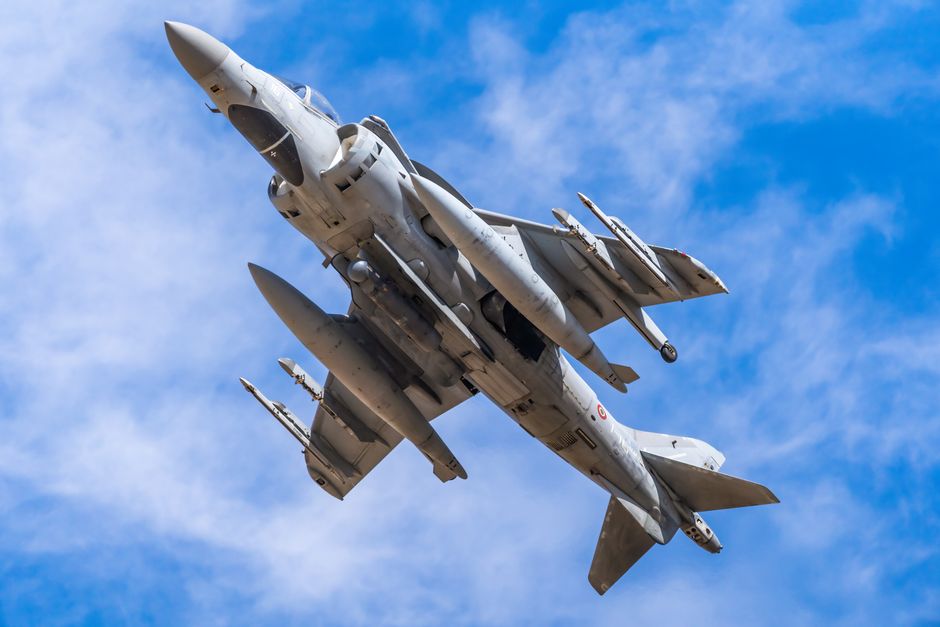
Iran has launched strikes against US drone and missile installations inside Kuwait, targeting the Ali Al Salem air base in what marks the first known Iranian attack on the US ally since September. The Iranian army confirmed it had hit the base after Kuwait reported its air defences were actively countering hostile drone attacks, adding a sharp new dimension to an already volatile regional conflict.
The attack on Wednesday came in direct response to US airstrikes on Tuesday evening, when American fighter aircraft targeted a missile launch site on Qeshm Island in the Strait of Hormuz. A US military official said those strikes were carried out in retaliation for Iranian attacks on US personnel and assets. Iranian state media, citing an official source, claimed the US strike caused no damage to infrastructure.
Kuwait and Bahrain Both Targeted in Widening Iranian Campaign
Wednesday's strikes on Kuwait were not an isolated incident. Bahrain also reported intercepting Iranian aerial attacks on the same day, describing it as the third such interception in a single week. Bahrain's government accused Iran of a "systematic hostile approach" towards the Gulf kingdom, which hosts the US Navy's Fifth Fleet.
Kuwait, for its part, issued a firm statement asserting its right to take all necessary measures to safeguard its sovereignty and protect its territory and vital facilities against any aggression or threat. The Ali Al Salem base has been a repeated target throughout the conflict, having been struck at least 30 times since hostilities began, with damage or destruction recorded across at least 15 aircraft hangars, numerous warehouses and 10 buildings near a residential area.
The US military confirmed on Wednesday that no American personnel had been injured in any of the attempted Iranian attacks during the week, stating that all service members were safe and accounted for.
Iranian Commander Issues Fresh Warning to Washington
Iranian army commander-in-chief Amir Hatami used state media appearances on Wednesday to issue a stark warning to the United States. "If the enemy repeats its mistake, we have the readiness and the plans to confront it and its supporters in a stronger, more crushing way and without geographic limitations," he said.
The warning underscores the increasingly unconstrained nature of Iran's posture since the conflict began. The US and Israel launched joint strikes against Iran on February 28, and Iran responded with attacks on Israel and Gulf states hosting US military bases. For a detailed chronology of how the conflict has developed, see the Timeline of the 2026 Iran war.
Diplomatic Efforts Struggle Against Escalating Violence
The latest wave of strikes has laid bare the difficulties facing any diplomatic resolution. Qatari and Iranian officials met on Tuesday in talks described as aimed at "bridging perspectives and narrowing the gap between proposals presented on the ground," according to a Qatari government spokesperson. Yet the military exchanges that followed within hours cast doubt on the near-term prospects for a ceasefire.
Hasan Al Hasan, a senior fellow for Middle East Policy at the International Institute for Strategic Studies, described Iran's approach as "cautious" escalation while warning that further escalation could not be ruled out, particularly if the US moved to widen its military operations beyond Iranian coastal infrastructure to targets deeper inside the country.
The broader economic toll of the conflict continues to mount. Global oil and gas prices have risen sharply as shipping through the Strait of Hormuz remains severely disrupted following Iran's declaration that the waterway was closed, compounded by a US naval blockade that has hit the Iranian economy hard. The cascading effects across global energy markets show little sign of easing while the military confrontation continues.


