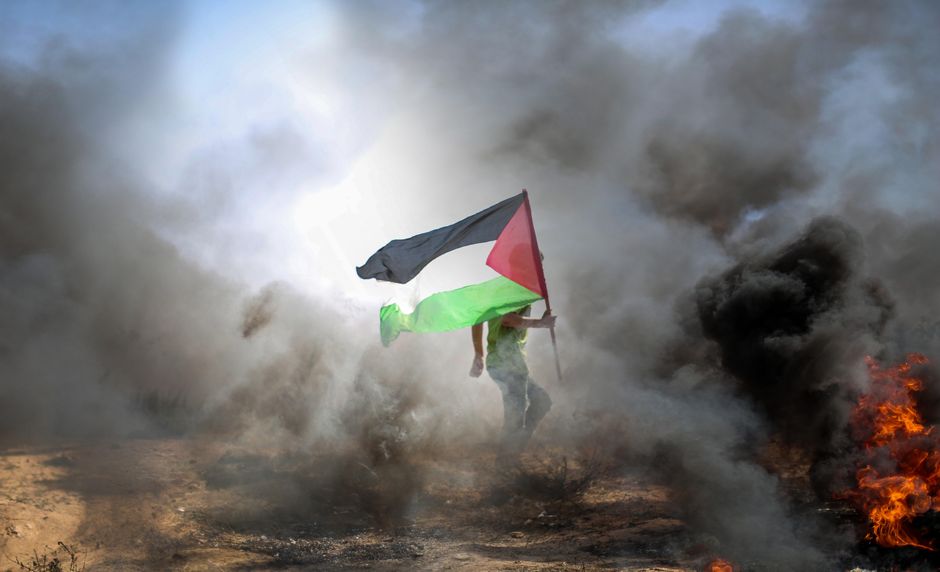
Israeli warplanes carried out a second consecutive day of strikes across Gaza on Sunday, killing at least 18 Palestinians according to medics and health officials, even as US President Donald Trump claimed a diplomatic breakthrough in efforts to end the conflict. A senior Israeli cabinet minister has since confirmed there is no deal in place to halt attacks, casting fresh doubt on the prospects for peace.
The strikes began at dawn and targeted multiple locations including Gaza City in the north, the central city of Deir al-Balah, and the southern area of Khan Younis — producing what Palestinian health officials described as the biggest single-day death toll in weeks.
Families Among the Dead as Strikes Hit Residential Areas
The human cost of Sunday's bombardment was stark. A couple and their nine-year-old son were killed when a strike hit a house in Mawasi, near Khan Younis. In Gaza City, another couple and their child died in a strike on an apartment building, while two further people were killed near the office of the Egyptian representative mission when a tent was hit. Later in the day, two more people died in the city's eastern Zeitoun neighbourhood.
In Deir al-Balah, at least four people were killed in separate strikes, while a further five were wounded and tents were set ablaze in Mawasi. One person also died near Jabalia in the north.
In the vicinity of Saraya Square in Gaza City, at least three Palestinians were killed when an Israeli airstrike hit a car, medics reported.
The Israeli military said a strike on an apartment in Deir al-Balah was targeting two commanders of Hamas's elite "Nukhba" force. It described those targeted in the Gaza City and Jabalia strikes as "military operatives," though it said it was still reviewing those operations. The Israeli war crimes in the Gaza war have been the subject of ongoing international scrutiny throughout the conflict.
Israeli Minister: No Deal, and Scepticism Hamas Will Disarm
The strikes came just days after Trump announced what he described as a breakthrough, saying Hamas and other armed groups had agreed to a disarmament plan. That announcement had raised cautious hopes of a turning point in the long-running conflict.
But on Sunday, Israeli Energy Minister Eli Cohen — a member of Prime Minister Benjamin Netanyahu's security cabinet — moved to dampen those expectations. Speaking on Army Radio, Cohen said there had been no agreement to stop attacks on Gaza and that he was "very sceptical" Hamas would follow through on any disarmament commitment.
"In the deal we signed with the United States, our stance is that Hamas must be dismantled. This is the first thing that must happen," Cohen said. He added that if Hamas refused to disarm, he believed Israel — which already controls approximately 70 per cent of the enclave — should move to take full control of Gaza.
Later on Sunday, a spokesperson for Netanyahu's office said Israel had formally raised concerns with Washington about the disarmament plan. "The most important concern for Israel is that nothing can happen before Hamas completely and truly disarms," spokesperson Doron Spielman said.
Hamas Sets Its Own Conditions as Peace Roadmap Stalls
Hamas, for its part, has indicated it will not agree to any ceasefire arrangement without a full halt to Israeli strikes and a withdrawal of Israeli troops from Gaza. The group's position means the gap between the two sides remains wide, even as international mediators push for progress.
Trump's Board of Peace — a US-led body established to oversee the ceasefire process — published a 15-point roadmap on Friday outlining the final steps for implementing the agreement. Nickolay Mladenov, the board's lead envoy for Gaza, acknowledged that the Sunday strikes had unfolded despite active efforts by the board and regional mediators to bring Palestinian factions on board with the plan.
"Achieving a lasting peace is hard but achievable if everyone makes their best efforts," Mladenov said, adding that he was working with all parties and regional partners to "de-escalate and create the space for the full implementation of the President's plan."
The situation remains deeply uncertain. Hamas's dissolution of its Gaza governing body and an ongoing weapons dispute continue to complicate efforts to reach any durable agreement, with the core question of disarmament appearing further from resolution than Trump's optimistic framing suggested.
With at least 1,230 Palestinians reported killed in recent weeks and civilian infrastructure under sustained pressure, pressure is mounting on all sides to translate diplomatic language into concrete action — though Sunday's events suggested the path to any ceasefire remains perilous.


