Japan has significantly raised the bar for foreign nationals seeking permanent residency, introducing tougher income and language requirements alongside a dramatic fee increase, as Prime Minister Sanae Takaichi pushes forward with a broader crackdown on immigration policy.
What the New Permanent Residency Rules Require
Under the revised rules, which are being rolled out in stages, applicants must now demonstrate that their annual income exceeds the national average and that they can hold a basic conversation in Japanese. Previous guidelines set no specific thresholds for income, pension contributions or language ability, making the new benchmarks a substantial shift in expectations.
Candidates must also show an understanding of Japan's social rules and prove they have pension entitlements equivalent to those of someone who has paid into the pension insurance system for 30 years.
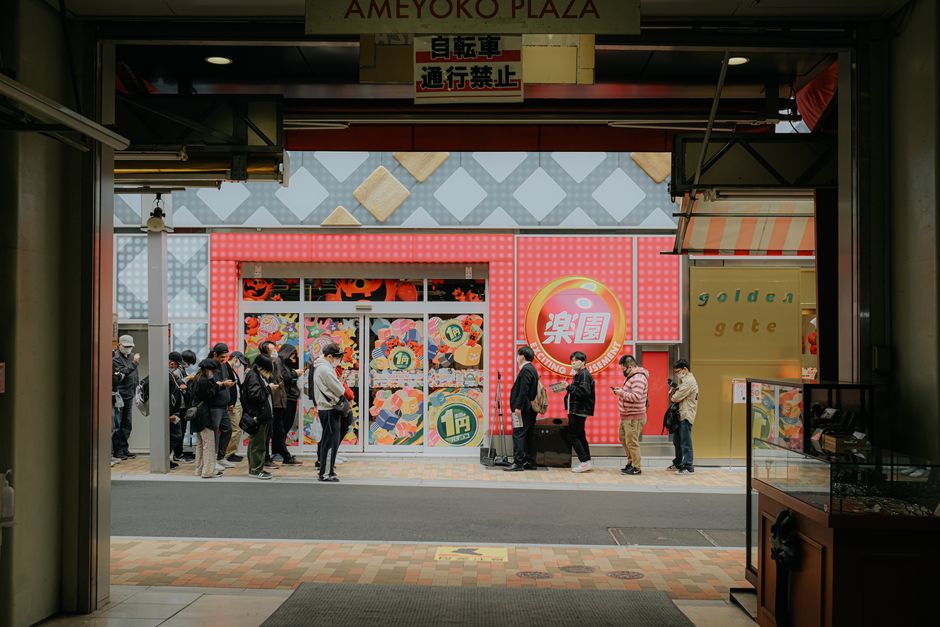
Most immediately felt by would-be applicants is the fee change: from Thursday, the cost of lodging a permanent residency application rose 20-fold, jumping from 10,000 yen (approximately $91) to 200,000 yen (approximately $1,800). The sharp increase prompted long queues at immigration offices, with hundreds of people lining up at one central Tokyo office hoping to complete their paperwork before the price spike took effect.
Among those waiting was 22-year-old US-born university student Yujie Chono, who said he had spent five hours in line. Speaking fluently in Japanese, he acknowledged the complexity of the debate. "I understand that over-accepting foreigners might dilute Japan's unique culture," he said, "but at the same time, given its low birth rate and aging population, Japan has to accept foreigners."
The Political Push Behind the Crackdown
Prime Minister Takaichi has framed the tighter rules as a matter of social harmony. In a lengthy post on X over the weekend, she said the government was confronting growing unease among Japanese citizens as the number of foreign residents rises. "The government is facing the fact that some citizens feel anxiety and a sense of unfairness," she said, adding that she was working toward what she described as "orderly coexistence" with foreign nationals.
The permanent residency changes follow earlier moves by the ruling Liberal Democratic Party to tighten business manager visa requirements, under which entrepreneurs can be forced to leave Japan if they fail to meet updated conditions.
Anti-immigration sentiment has been spreading across social media, with false claims circulating widely — including allegations that a large share of welfare payments go to foreigners and that foreign residents are contributing to crime. Such claims have not been substantiated, but they have gained traction online and fed into a growing political current.
That current was visible at last year's upper house election, which saw a sharp rise in support for the "Japanese-first" Sanseito party, which has described immigration as a "silent invasion."
The Case for Keeping Japan Open
Despite the political momentum behind tighter controls, economists, business leaders and immigration experts have warned that Japan cannot afford to close the door on foreign workers. The country faces a rapidly ageing population and persistent labour shortages across multiple industries.
A recent editorial in a prominent Japanese business daily argued that Japan should stop treating foreign workers as a temporary fix and instead commit to their long-term integration — including expanded Japanese-language education and improved working conditions.
What the Changes Mean for Foreign Residents
For those already living in Japan, Thursday's changes are unlikely to immediately force anyone out of the country. However, the higher application fees and stricter eligibility criteria may place permanent residency out of reach for some who might otherwise have qualified.
Permanent residency is highly valued by long-term foreign residents because it provides stability, freedom in employment, and social credibility — including a far better chance of being approved for a home mortgage. Without it, many residents face practical barriers that affect their day-to-day lives.
Having lived in Japan for a decade, applicant Chono said he understood both sides of the debate, but remained in line — waiting for the chance to make Japan his permanent home.


