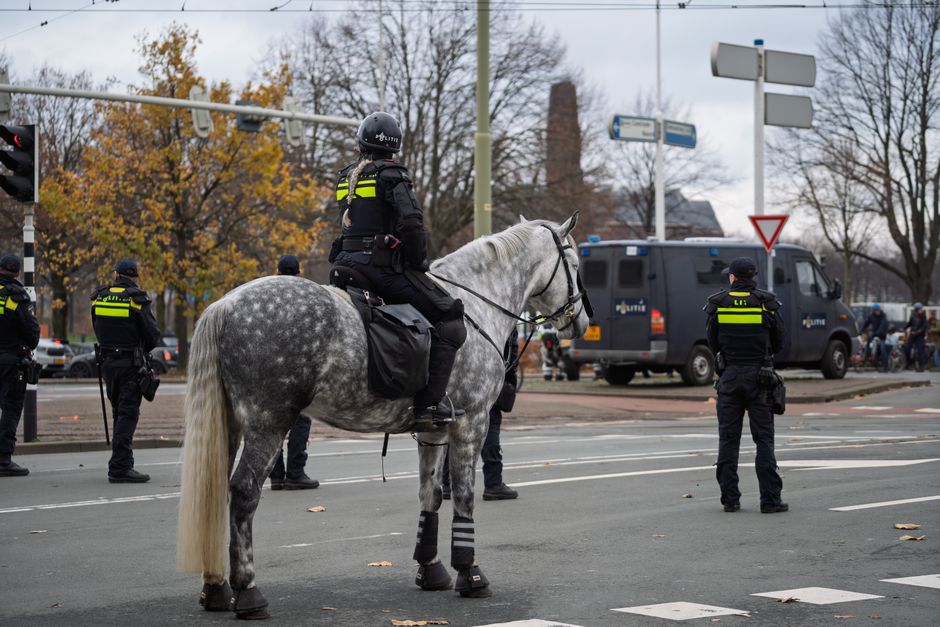
One of South Australia's most celebrated police horses is to be cloned after his death last year, with authorities working to ensure his exceptional genes are passed on to a future generation of mounted officers. Police horse Vulcan, who died aged 23, will have his genetics used to produce a foal through a world-leading equine reproductive technology program — a project formally approved by the South Australian Police Commissioner in January.
Immediately following Vulcan's death, veterinarians collected a tissue sample and transported it to a specialist equine breeding facility in New South Wales called Catalina, where the genetic material has since been fully processed and securely stored using state-of-the-art reproductive technology.
Why SAPOL Is Cloning Vulcan
South Australia Police (SAPOL) says the decision to clone Vulcan reflects the unique demands of mounted policing. A spokesperson noted that finding horses with the right attributes for the role is already difficult — and that finding grey horses with suitable long-term health and trainability makes the challenge even greater.
"Cloning explores the opportunity to preserve exceptional service traits in identified horses necessary for public safety and replicates existing genetics," the spokesperson said. "There's no modification or enhancement within the process."
The program aims to produce a single foal, which will automatically be assigned to the Mounted Operations Unit, where it will be raised and trained from birth. SAPOL has confirmed the genetics will ensure the foal is grey in colour — matching Vulcan's distinctive appearance. The cost of the project has not been publicly disclosed, though it is understood to be funded from within SAPOL's existing horse acquisition budget. Industry estimates put the typical cost of cloning a horse at around $50,000.
Vulcan's Remarkable Service Record
Standing at 18.1 hands high and weighing approximately 860 kilograms, Vulcan was a towering figure in the Mounted Operations Unit for nearly two decades. Even as a three-year-old, he displayed an exceptionally calm temperament that would define his entire career.
His operational record was extensive, encompassing general patrols, search and rescue operations, public order deployments and ceremonial duties. Over the course of his service he participated in:
- Nine Christmas pageants
- Nine Anzac Day parades
- 31 protest deployments
- 52 graduation ceremonies
- More than 3,000 patrol hours
"P.H. Vulcan was the flagship of the unit. His calm presence and quiet and gentle demeanour made him a favourite with everyone who met him. He truly was a gentle giant," a SAPOL spokesperson said.
Earlier this year, Vulcan was posthumously awarded the Australian Animal Distinguished Service Medal — becoming the first police horse and the first non-Defence animal in the country to receive the honour. His death had a profound effect on those who worked alongside him.
"Staff of the Mounted Operations Unit and SAPOL more broadly were truly saddened. We form a close bond and partnership with the horses… they become comrades to us, so when we lose one of them, it greatly impacts members," the spokesperson said.
What Happens Next — and What It Could Mean for Policing
SAPOL and Catalina are scheduled to begin embryo creation later this year, with an embryo transfer to a recipient mare planned for spring or summer. The program currently targets one foal, though SAPOL has indicated cloning could become part of its longer-term strategy for preserving exceptional service traits in the mounted unit.
Horse cloning is not without precedent in Australia. The practice has been used in the polo industry for years to maintain ideal temperaments and physical attributes, and the first horse cloned in Australia — born in 2018 — was a joint effort between local and Argentinian polo institutions.
For SAPOL, the technology represents a way to honour Vulcan's legacy while solving a practical challenge: ensuring the next generation of mounted officers has access to a horse built for the role from the ground up. As the spokesperson put it, "P.H. Vulcan possessed exceptional traits and we would like to carry on those traits. Cloning technology provides this opportunity."


