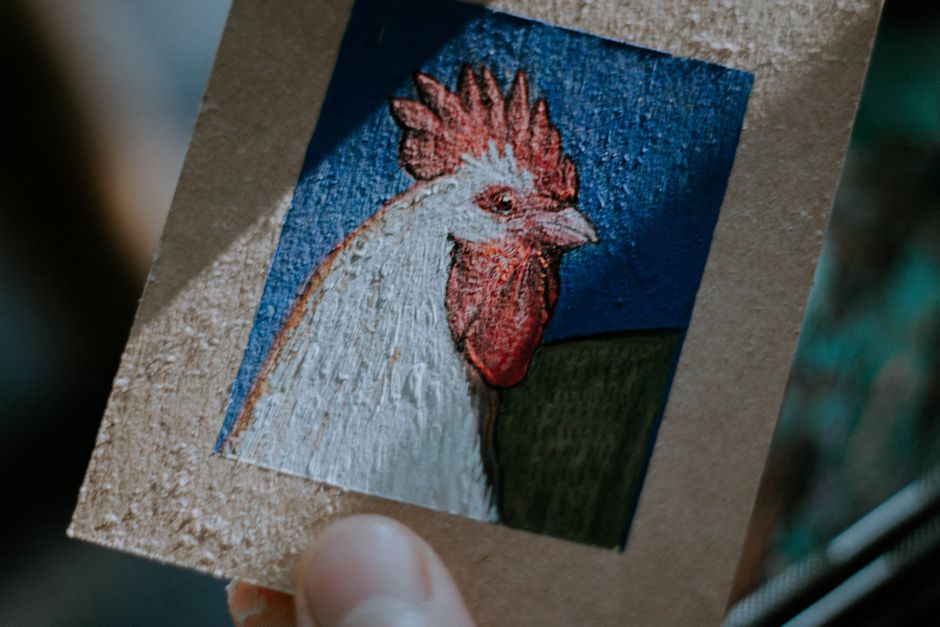
The Melbourne Royal Show has cancelled its poultry competition for 2026 as H5 bird flu continues to spread across Australia, with organisers describing the decision as a precautionary measure to safeguard Victoria's poultry community.
Poultry Competition Called Off at Melbourne Royal Show
Show organisers confirmed the cancellation following consultation with Agriculture Victoria and the Chief Veterinary Officer team, stating they were acting to "protect the health and wellbeing of the Victorian poultry community." The decision was not taken lightly, with organisers acknowledging the time and effort exhibitors had already invested in preparing for this year's event.
"Melbourne Royal is grateful for the time and efforts our poultry exhibitors have put into their preparations for this year's show and greatly appreciate their understanding and continued support," a statement from organisers read.
Organisers expressed hope that the competition would return in 2027, offering some reassurance to exhibitors affected by the cancellation.
No Farm Cases Recorded, But Lockdowns Remain in Place
Despite the widespread concern, no cases of H5 bird flu have been recorded on poultry farms anywhere in Australia as a result of the current outbreak. However, high-risk areas across Victoria remain under biosecurity restrictions, with farmers required to keep their birds housed indoors to limit potential exposure to the virus.
The precautionary cancellation of the show's poultry section reflects the heightened vigilance authorities are applying across the state, even in the absence of confirmed farm-level infections.
World's Largest Wild Bird Vaccination Program Launched in Victoria
The cancellation comes alongside a significant response effort targeting wildlife. Victorian authorities have launched what is believed to be the world's largest vaccination program involving wild birds, focusing on little penguins at Phillip Island and St Kilda.
Around 5,000 little penguins are set to be vaccinated after doses arrived in Victoria, with the species prioritised for the first round of inoculations. Victoria's Chief Veterinary Officer, Dr Graeme Cooke, acknowledged the program would be logistically challenging, as each bird must be caught twice to receive two doses of the vaccine.
Phillip Island Nature Parks chief executive Catherine Basterfield said the organisation was "privileged to have the opportunity to lead what is believed to be the world's largest vaccination program involving wild birds," adding that knowledge gained could help protect little penguins and strengthen wildlife disease preparedness both in Australia and internationally.
Importantly, the vaccines are not expected to halt the circulation of H5 bird flu entirely, but are intended to reduce the severity of its impacts on affected wildlife populations.
Federal Government Commits More Than $113 Million to H5 Bird Flu Response
The federal government has invested more than $113 million to prepare Australia for H5 bird flu, according to Agriculture, Fisheries and Forestry Minister Julie Collins. Of that total, almost $2 million has been directed specifically toward vaccines and associated trials, underlining the scale of the national response to the disease threat.
With biosecurity measures tightening and major public events such as the Melbourne Royal Show adjusting their programs accordingly, the H5 bird flu situation is set to remain a key concern for Victorian farmers and wildlife managers throughout the year.


