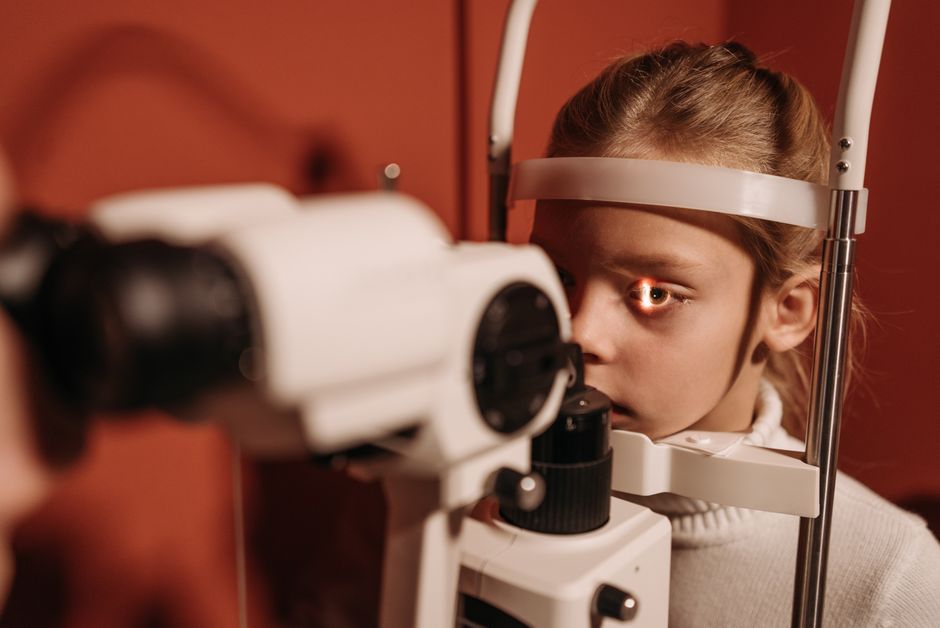
Dry age-related macular degeneration is the leading cause of blindness among Australian adults, and while no cure exists, two emerging treatments are giving patients renewed hope — even as the cost of one therapy is set to climb sharply out of reach for many.
A Life-Changing Diagnosis — and New Reasons for Optimism
For keen bridge player Rene Sharp, the first sign something was wrong came at the card table. She could no longer distinguish between spades and clubs. After being diagnosed with dry macular degeneration — a condition that causes the central part of the retina, known as the macula, to gradually deteriorate — Sharp faced a deeply uncertain future.
The condition robs patients of fine central vision, making everyday activities like reading, driving and recognising faces increasingly difficult. Despite there being no cure, ophthalmologists say advances in treatment are changing the outlook for patients like Sharp.
Eye surgeon Dr Shanel Sharma points to two therapies showing meaningful promise: dry macular injections and a newer non-invasive device called Macumera.
How the Treatments Work
Macumera works by delivering low-level microcurrent pulses through closed eyelids to stimulate the retina, encouraging cells to generate more energy and improve their overall function. The approach is non-invasive and has produced encouraging early results.
"In fact, all the patients have improved by at least one line," Dr Sharma said, referring to standard vision chart testing.
For Sharp, the results have been life-altering. Not only has she returned to playing bridge, but she has also regained her driver's licence — an outcome she had not dared to expect.
"I had such doubts. I thought I would never pass, but I did," she said.
The second treatment — injections — has been found to slow the progression of vision loss. However, researchers urge caution, particularly around Macumera. Professor Robyn Guymer, a leading researcher in the field, stressed that availability does not equal proven efficacy.
"Just because it's available does not mean it's gone through the rigorous testing like a drug, and it hasn't at the moment," Professor Guymer warned.
Treatment Costs Set to Surge — Threatening Access for Patients
While hope is growing clinically, the financial picture is becoming far more challenging. The producer of the injection-based treatment has withdrawn its application for listing on the Pharmaceutical Benefits Scheme (PBS), meaning patients who rely on it could soon face costs of around $18,000 per year out of pocket.
The manufacturer, Biogen, said the withdrawal was based on the proposed reimbursement criteria being considered in Australia — but the practical consequence is that a treatment proven to slow vision loss may become financially inaccessible for a large proportion of patients.
A second injection therapy, known as Izervay, is also currently under consideration for a broader indication on the PBS, according to Professor Guymer, though its path to subsidised access remains uncertain.
The cost pressures facing macular degeneration patients echo broader concerns about rising healthcare expenses for older Australians, many of whom are already navigating complex and costly care arrangements.
What This Means for Patients Going Forward
Dry macular degeneration remains a condition without a definitive cure, and the road ahead for patients is one of careful management rather than reversal. Emerging therapies are offering genuine relief and, in some cases, measurable improvement — but access to those therapies is under threat from cost barriers that could widen as PBS negotiations stall.
Researchers continue to call for robust clinical trials to validate newer technologies like Macumera, while patients and clinicians alike await clearer decisions on PBS subsidies that could determine whether effective treatments remain within reach for everyday Australians.


