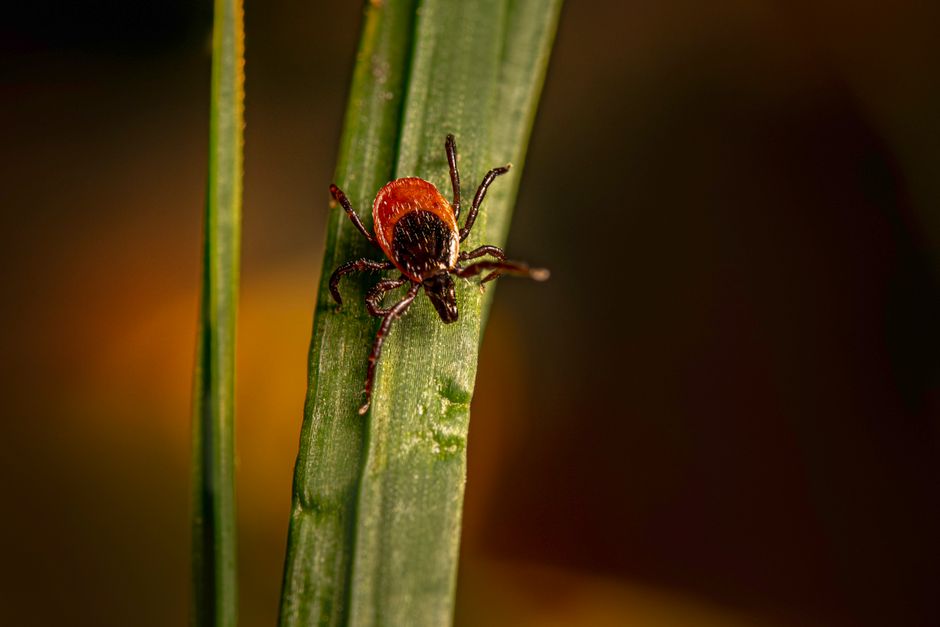
Veterinary clinics across south-east Queensland are urging pet owners to stay vigilant as recent wet weather drives a rise in paralysis tick cases, with predictive modelling suggesting the problem could account for roughly one in every ten emergency vet visits on the Sunshine Coast this summer.
A Bad Start to Tick Season
Dr Allen O'Grady, who owns a veterinary clinic north of Brisbane, says the current tick season is shaping up to be concerning. "The wet weather that we've had in the last few weeks is certainly helping the tick prevalence increase," he said, describing the season so far as looking "pretty bad."
Dr O'Grady warned that outcomes can be grim even with prompt treatment. For every ten tick cases he sees, at least one or two animals do not survive. He noted that intensive care, including placing a pet on a ventilator for days or even a week, can be financially out of reach for some owners.
The warning is underscored by a heartbreaking recent case in Brisbane. Rebecca Spencer brought her mother's 11-year-old fox terrier, Ebony, to a vet after noticing the dog seemed unsteady on her back legs. Staff located a large tick on Ebony's face, administered antivenom, gave her a tick bath and shaved her coat. Ebony appeared to be recovering well enough to go home, but died in her sleep that night.
"We hear all the time we've got to start giving them the tick treatment and all that sort of stuff, and then it goes to the back of your mind," Ms Spencer said. She described Ebony as a "homebody" who had simply been taken for a routine afternoon walk around the block.
What the Research Says About This Season
University of Queensland researchers developed a predictive model after analysing more than 220,000 visits by cats and dogs to emergency veterinary hospitals in Sydney and south-east Queensland. Professor of Parasitology Stephen Barker and PhD candidate Ernest Teo found that the previous summer's weather plays a major role in determining how severe the following tick season will be.
Their latest modelling indicates that approximately 5.5 per cent of emergency vet visits in Brisbane will be linked to tick paralysis this season, with that figure potentially rising to around 10 per cent on the Sunshine Coast. While the overall season is forecast to be broadly "average," Professor Barker stressed that average still means serious consequences.
"That's still four or five thousand visits to emergency veterinary hospitals with a case of tick paralysis, and unfortunately 10 per cent of those animals can't be saved," he said.
How to Protect Your Pets from Paralysis Ticks
Dr O'Grady said pets can pick up ticks anywhere there is foliage, meaning suburban backyards and neighbourhood walks carry real risk, not just bushland areas. Owners should be aware that symptoms typically do not appear until three to five days after a tick has attached, and even then they can be subtle.
Early warning signs include unsteadiness or wobbliness, particularly in the hind legs. Owners are encouraged to perform regular, thorough checks of their pets' coats, paying close attention to the face, neck and ears where ticks are commonly found.
Vets say the key message this season is that complacency is dangerous. Preventative tick treatments are widely available and should be used consistently, not just when owners feel the risk is high. The case of Ebony the fox terrier serves as a reminder that even a brief, routine walk can expose an unprotected pet to a potentially fatal tick bite.
Pet owners in south-east Queensland and other tick-prone regions are advised to speak to their vet about the most suitable prevention options for their animals, and to seek veterinary attention immediately if any unusual symptoms appear.


