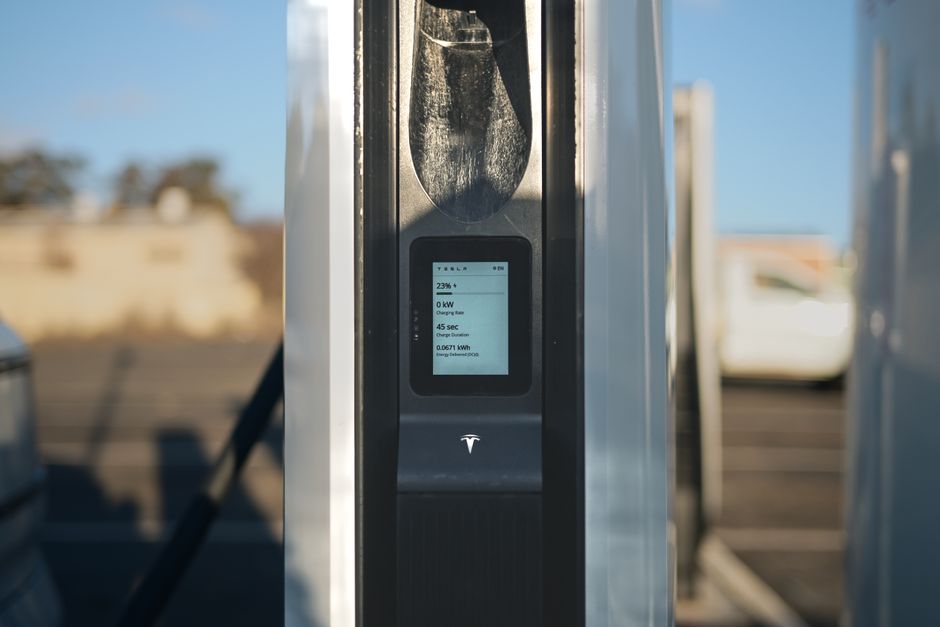
Australian households face a small but contentious increase to their electricity bills under a proposal backed by the nation's energy market regulator, which would help fund the installation of approximately 14,000 new electric vehicle chargers across the country — including in regional blackspots and high-density urban areas where charging access is limited.
The Australian Energy Market Commission (AEMC) has released a draft rule supporting a $40 million Federal Government program designed to expand EV charging infrastructure in underserviced locations. Under the proposal, the Commonwealth would cover around 30 per cent of the program's cost, with electricity networks able to recover the remaining 70 per cent from consumers through power bills — adding an estimated $1 per year to a typical household's electricity costs.
The draft rule is tied specifically to this federal program, which is scheduled to run until June 2029, and does not give electricity networks a blanket licence to roll out chargers wherever they choose.
What the EV Charger Rollout Would Look Like
The program is designed to close the gap between the rapid growth in EV uptake and the availability of public charging infrastructure. Chargers would be targeted at two key groups of locations: regional areas lacking adequate charging options, and high-density city locations where many residents rely on street parking and have no access to private off-street charging.
Private operators would be given the first opportunity to install chargers at identified sites. Electricity networks would only step in as a "last resort" where no private operator took up a site, though networks would be required to provide infrastructure in regional blackspots regardless.
AEMC chair Anna Collyer said the commission was satisfied the program's benefits would outweigh costs to consumers.
"The Commonwealth's program is a targeted measure to help close the gap between the rising EV uptake and EV charging infrastructure," Collyer said.
The AEMC said the rollout was also intended to improve access for renters and apartment dwellers — groups who typically cannot install home charging equipment — in support of broader EV adoption. Understanding the role of government incentives for plug-in electric vehicles is increasingly relevant as Australia accelerates its transition away from petrol-powered transport.
Critics Slam the Cost-of-Living Impact
Not everyone is convinced the trade-off is fair, particularly at a time when many Australians are already under financial pressure. The chief executive of the National Electrical and Communications Association, Stewart Joyce, was sharply critical of the proposal, arguing it showed disregard for struggling consumers.
"Putting up electricity bills to pay for EV chargers shows staggering contempt for consumers battling in the midst of a cost-of-living crisis," Joyce said.
Joyce argued that EV sales are already at record levels and that a competitive private market for charger installation exists — making the regulated network model unnecessary. He warned the rule change would effectively hand work and revenue to large, monopoly electricity networks at the expense of small tradespeople and family-owned businesses.
"Networks will rip work away from tradies and family-owned businesses, so they can line their own pockets and control another segment of the market," he said, adding that electricity networks were "already making billions of dollars from sky-high electricity bills."
For households already watching their energy costs closely, the additional impost — however modest — adds to a broader picture of rising bills. Some suburbs are already finding creative ways to cut power costs, a sign of how sensitive consumers have become to any upward movement in electricity prices.
A Separate, Broader Proposal Still in the Pipeline
The draft rule released by the AEMC is not the only proposal that could reshape who pays for EV infrastructure. The commission is separately considering a wider proposal from Energy Networks Australia that would allow electricity distributors to install, own, and maintain kerbside EV chargers as an ongoing regulated service — with costs potentially recovered from all consumers on a permanent basis through regulated network charges.
That proposal is still under consideration and was not part of the AEMC's latest draft decision. A final determination on the current rule has not yet been announced, and the consultation process remains open.
The key distinction critics are drawing is between a time-limited government program and what could become a permanent expansion of network operator control over EV charging infrastructure — a prospect that industry groups say warrants serious scrutiny before any final decisions are made.


