Queensland's health system is facing mounting scrutiny after a mental health patient died by suicide at a major Brisbane hospital on Tuesday night, with staff not discovering the death for three hours. The incident at Prince Charles Hospital has emerged alongside reports that as many as six Queenslanders may have died while waiting for an ambulance in the past three weeks, deepening concerns about the state of the public health network.
Patient dies undiscovered at Prince Charles Hospital mental health unit
Health Minister Tim Nicholls confirmed to parliament on Wednesday that the patient, who was in the hospital's mental health unit, had self-presented to the facility and received appropriate triage before the tragedy occurred. The unit has previously been identified as dealing with overcrowding, staff shortages and systemic safety failures.
"There is substantial pressure on the system," Nicholls told parliament.
The death has raised fresh concerns about whether patients in mental health settings are receiving adequate supervision and care amid stretched resources.
Ambulance delays linked to multiple deaths across Queensland
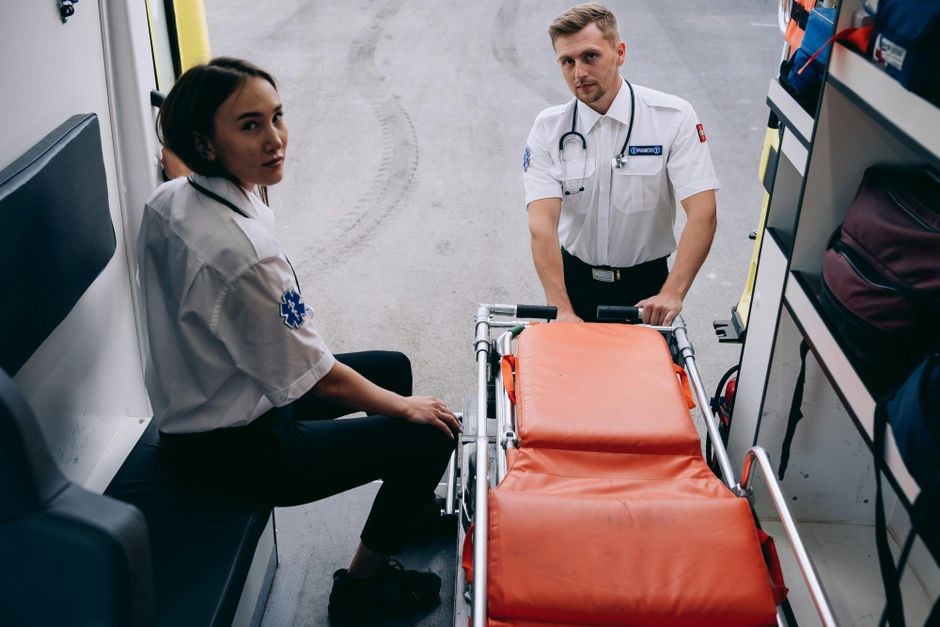
The hospital death is not the only case drawing public attention. Among those identified as having died while waiting for an ambulance is Craig Maksimovs, described as a beloved father who lived in Logan Central. CCTV footage shows paramedics arriving at his home on Saturday morning, more than four hours after he called triple-0 complaining of chest pain.
His neighbour, Corinne Jeffries, described the delay as "disgusting" and said she wished someone had been able to help sooner.
Craig's daughter Samantha recalled the harrowing moment she and her sister found their father after the delayed response.
"My sister and I walked into my dad's front door to blood everywhere," she said. "We obviously weren't prepared for that because we were told it was a cardiac event."
Further deaths have also been linked to suspected ambulance delays. A veteran from Thornlands, who had served Australia for decades, is among those whose death is under scrutiny. In Townsville, another man died while that city's hospital was operating at 107 per cent capacity.
Hospital network under strain from Bundaberg to Brisbane
Additional images have emerged from Bundaberg Hospital showing a patient lying in a bed inside a staff tearoom, further illustrating the pressure on Queensland facilities struggling with demand.
United Workers Union representative Fiona Scalon said the situation had reached a critical point.
"It's never been this bad and something needs to be done," she said.
Scalon was also pointed in her assessment of where the fault lies, arguing the problem extends beyond ambulance services. "The ambulance system isn't broken. It's the health and hospital services that are broken," she said.
Accountability questions remain unanswered
Despite the growing list of serious incidents, there are significant concerns about whether the public will ever receive clear answers. It is understood there is no deadline for investigators to establish what went wrong in the various cases, no commitment to release findings, and no guarantee that the public will be informed of what changes are needed.
Deputy Premier Jarrod Bleijie acknowledged the broader pressure on hospitals but indicated that solutions would take time.
"The best answer to this is building more beds and more hospitals, and that can't be done overnight," he said.
As pressure mounts on the state government to respond decisively, the cluster of deaths and near-misses has prompted calls for urgent and transparent reform of Queensland's hospital and emergency response systems. For many families already grieving, the concern is whether accountability will ever follow.
If you or someone you know needs crisis support, call Lifeline on 13 11 14. For information about depression and mental health, contact Beyond Blue on 1300 22 4636 or speak with a GP or health professional.


