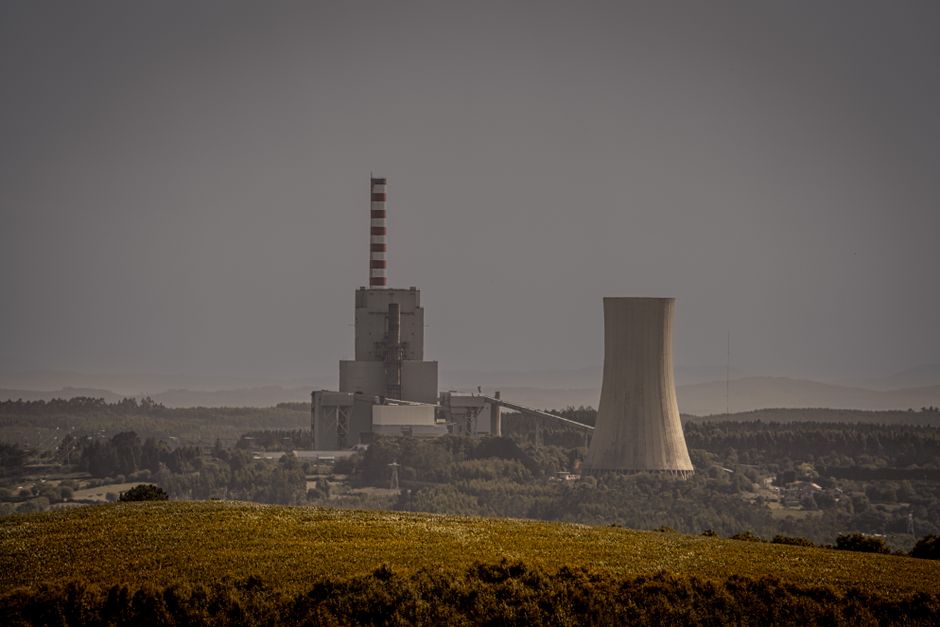
Queensland households and businesses are rushing to embrace solar, wind and battery storage — but state government energy policy is actively working against them, injecting risk into clean energy markets, keeping ageing coal stations running past their use-by dates, and ultimately driving up power bills for the very people it claims to protect.
How Queensland's Coal Dependence Is Killing Renewable Investment
By scrapping renewable energy targets and abandoning scheduled coal closure dates, the Queensland government has made it nearly impossible for investors to predict when replacement power will be needed. Without that certainty, financing for new clean energy projects dries up — and with it, the pipeline of solar farms, wind developments and battery storage that Queensland's growing economy urgently requires.
The structural problem runs deeper than investment signals. Because coal-fired power stations cannot rapidly cycle up and down, they continue running at minimum output during sunny afternoons when rooftop solar is generating at full capacity. The result is a chronically oversupplied grid. To prevent blackouts, the grid operator is forced to curtail or disconnect rooftop solar and wind generation entirely.
For Queensland families who have invested their own money in solar panels, the consequences are direct and costly. They lose the electricity their systems generate, are forced to draw power back from a coal-heavy grid, and effectively pay twice — once for their own solar investment, and again to subsidise the ongoing operation of ageing coal infrastructure.
A Policy Pattern Designed to Favour Coal
The emerging policy pattern under the Premiership of David Crisafulli follows a recognisable playbook: cancel clean energy targets, erase coal closure end dates, protect existing fossil fuel assets, and cut off the capital flows that would otherwise fund their replacement. When the renewable energy pipeline inevitably stalls, the resulting shortage can then be used to justify keeping coal plants running even longer — a self-fulfilling cycle that serves incumbent interests at the expense of consumers.
Critics argue this amounts to a deliberate strategy to make renewable energy uninvestable in Queensland, concentrating market power in state-owned coal assets while newer, cheaper technologies are sidelined.
Data Centres and Public Transport at Risk
The stakes extend well beyond household power bills. Queensland is positioned to capture significant economic opportunity from the rapid growth of artificial intelligence infrastructure and data centres — facilities that require enormous quantities of reliable electricity. That incoming demand, if properly harnessed, should be funding new generation capacity, storage and transmission infrastructure.
Instead, current policy settings mean that demand is likely to prop up obsolete coal plants rather than catalyse fresh investment. The same dynamic threatens to hamper public transportation electrification. The outcome, analysts warn, is higher power bills, weaker reliability and stalled investment — the opposite of what Queensland needs to attract high-tech industry and regional jobs.
Closing the Federal Loophole That Lets Coal Polluters Off the Hook
A key reform being urged is a fix to a significant gap in federal climate policy. Australia's Safeguard Mechanism — the primary federal tool for reducing industrial emissions — currently exempts coal-fired power stations, allowing some of the country's largest polluters to avoid accountability for their actual environmental costs.
Advocates are calling on the federal government, currently reviewing the Safeguard Mechanism, to bring coal generators within its scope based on their original planned closure dates. Under the proposed model, any coal plant continuing to operate beyond its scheduled deadline would be required to purchase Australian Carbon Credit Units to cover the resulting pollution — not an immediate forced shutdown, but a clear market signal that would encourage the financing and construction of replacement power before it is urgently needed.
Queensland, proponents argue, deserves an energy policy built to deliver affordable, reliable power — not one structured to entrench the status quo.


