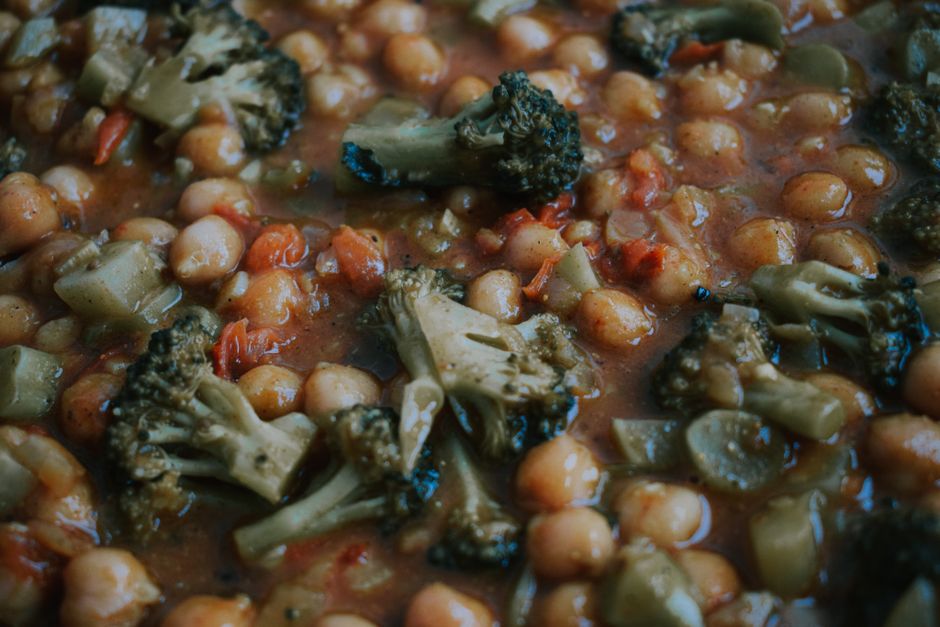
A slow-cooker Moroccan vegetable and chickpea stew from cook Sarah Pound promises hearty, warming flavour for up to six people — and it starts not in the slow cooker at all, but in a frying pan. The key to lifting this vegetarian dish above the ordinary, Pound explains, is taking a few extra minutes to sauté the base ingredients before the slow cooker takes over for the long, gentle cook.
Why the Sauté Step Makes All the Difference
Pound is candid about a common shortcoming in meat-free slow-cooker cooking: without deliberate technique, vegetarian versions can lack the depth and richness of their meat-based counterparts. Her solution is to build flavour early. A large frying pan is brought to medium-high heat with olive oil, and diced onion is cooked for four to five minutes until softened. Garlic and Moroccan seasoning — or ras-el-hanout — follow for another minute until fragrant. If the pan begins to catch, a splash of vegetable stock or water lifts those flavoursome bits from the bottom.
Harissa paste and chunks of sweet potato go in next, tossing for two to three minutes so the vegetables are well coated in spice before anything touches the slow cooker.
Building the Slow-Cooker Moroccan Stew
Once the sautéed base is transferred to the slow cooker, the dish comes together quickly. Chickpeas, cauliflower, capsicum, tomato paste, diced tomato, vegetable stock, dried apricots and a drizzle of honey are added and stirred through. The lid goes on and the stew cooks on high for three hours.
Zucchini — more delicate than the other vegetables — is added at the three-hour mark and stirred through gently. One final hour of cooking brings everything to tenderness and allows the stew to thicken slightly. The total active cooking time is modest; the slow cooker handles the rest.
Serving, Storage and Why It Works for Busy Households
Pound suggests finishing each bowl with fresh coriander and mint leaves, a generous dollop of Greek yoghurt and flatbread on the side. The recipe is tagged as freezer-friendly and suitable for meal prep, making it a practical choice for midweek dinners or batch cooking across the week.
Packed with fibre from chickpeas and a range of vegetables, the dish sits comfortably within a broader global tradition of spiced legume stews — a style of cooking that, across various cultures, has long held a place as a defining national dish or comfort staple. For Australians looking to slow down and savour something nourishing, this kind of considered, unhurried cooking — not unlike the spirit behind movements encouraging Australians to swap doom-scrolling for slower, more mindful pursuits — offers a satisfying alternative to fast weeknight shortcuts.


