Four crew members have been killed in a Houthi attack on a cargo vessel in the Bab el-Mandeb Strait, as a senior Iranian source confirms that diplomatic efforts to revive a collapsed interim peace deal with the United States have gone nowhere — with fresh maritime violence pushing oil prices higher on Tuesday, 13 August 2026.
Deadly Strike on Shipping as Waterways Remain Contested
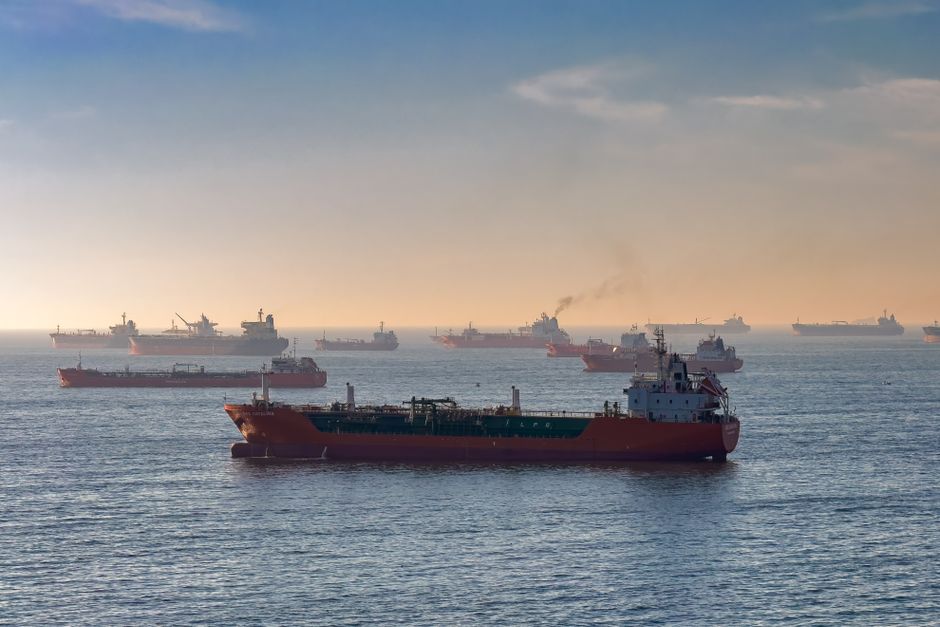
The Egyptian-owned cargo ship Tihamah was struck while at anchor near the southwestern tip of Yemen, in what has been described as the first deadly attack on shipping by the Iran-aligned Houthi movement since the outbreak of the broader 2026 Iran war. Yemen's transport ministry confirmed four crew members were killed — three Pakistani nationals and one Indonesian — and said the crew lost control of the vessel following the strike.
Pakistan's foreign minister confirmed the deaths of the three Pakistani crew members. The Houthis acknowledged attacking a ship in the area, claiming it was carrying Saudi military equipment, though they did not identify the vessel by name.
Separately, attacks were also reported in the Gulf of Oman, which narrows into the strategically critical Strait of Hormuz. The combined incidents rattled energy markets, with oil prices climbing in response to the renewed instability in key global shipping lanes.
Iran Says Interim Deal Is Dead — With Nothing Left to Revive
The maritime violence comes as diplomatic efforts to end the Gulf conflict appear to have ground to a halt. A senior Iranian source has stated there has been "absolutely no progress" in efforts — conducted through intermediaries — to bring the United States back into compliance with the interim ceasefire agreement struck in June, or to set a timetable for fulfilling its terms.
That June agreement declared an "immediate and permanent termination of military operations on all fronts" and established a 60-day window, extendable by mutual consent, for Iran and the US to negotiate a final deal covering Iran's nuclear programme and the lifting of US sanctions. The deal quickly fell apart. President Donald Trump declared it "over" on 7 July, and Iran's foreign ministry announced it was "suspended" one week after that.
The Iranian source directly dismissed reports — attributed to Pakistani government sources — that both sides had agreed to extend the 60-day period. "There is no talk of an extension because, from Iran's perspective, there is no period that began and therefore nothing to extend," the source said. "The United States violated the interim agreement 48 hours after it was reached and withdrew from it a few days later."
There was no immediate response from Washington to the Iranian statements.
Mutual Accusations and Escalating Demands
Both sides are pointing the finger at the other for the breakdown. The US maintains Iran failed to honour a key provision of the deal: reopening the Strait of Hormuz to international shipping. Iran, in turn, accuses the US of reneging on commitments to lift a blockade of Iranian ports and release frozen Iranian assets.
Iran's top security official, Mohsen Rezaei, declared on Tuesday that the Strait of Hormuz would remain closed until the US accepted Iran's conditions for ending the war. That hardline position followed a fresh demand from Trump on Monday — that Iran pay compensation for people killed across 50 years of wars, attacks and protests — a counter to Iranian claims that it was owed compensation for US and Israeli strikes on the country.
Speaking after a visit to Ohio on Tuesday, Trump offered a bullish assessment of the standoff. "Iran is going fine, going just absolutely fine," he said. "We have a country that has been the bully of the Middle East for 50 years, really 51 if you think about it … and they're no longer the bully of the Middle East."
What Comes Next
With the Strait of Hormuz remaining closed, mediators still unable to broker even a return to the June framework, and fresh lethal attacks on civilian shipping, the prospects for a near-term de-escalation appear slim. The Houthi strike on the Tihamah marks a significant escalation in the group's campaign, being the first to result in fatalities since the conflict began, and signals that the wider regional dimensions of the war show no sign of easing.


