With Australian hospitals recording some of their busiest winter days on record, health authorities are urging people to think carefully before heading straight to the emergency room — and to understand when a GP or urgent care clinic is the smarter, faster choice for treating winter illness.
On a single Monday this winter, just under 10,000 people presented to emergency departments across Sydney alone — a figure the NSW Health Minister described as the "biggest ever recorded winter day in history." Hospitals nationwide are under similar strain, with flu, RSV (respiratory syncytial virus) and rising COVID-19 cases all driving increased presentations.
Three Tiers of Care: Routine, Urgent and Emergency
The Australian government has outlined three broad categories of care to help people navigate the health system during winter: routine, urgent and emergency. Understanding which category your symptoms fall into can save you hours in a waiting room — and free up critical resources for those who need them most.
Emergency departments operate on a triage basis, meaning the most severe cases are always seen first. For anyone with a condition that isn't immediately life-threatening, the wait can be considerable — and, according to health experts, unnecessary.
"If you don't need to go to your emergency department, it does free up valuable resources for them to be able to deal with more emerging cases," said Professor Paul Griffin from the University of Queensland School of Medicine.
Start With Your GP for Most Winter Illnesses
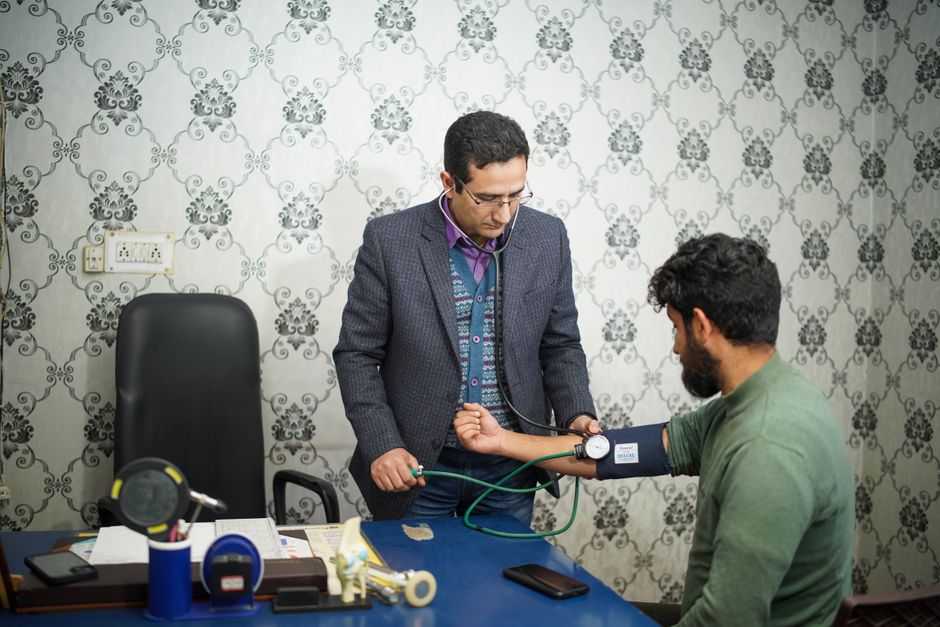
For the majority of Australians feeling unwell this winter, a general practitioner (GP) remains the best first port of call. GPs can diagnose and treat common respiratory illnesses, provide health checks, arrange vaccinations, and help patients build an individual health plan before illness strikes.
"If it's something that you're not feeling needs urgent attention, then your GP is often the best place to start to get the care that you need," Professor Griffin said.
The key indicators that a GP visit is appropriate include being able to breathe and drink normally, and not feeling systemically unwell. "If you're breathing okay, even drinking okay, not systemically unwell, your GP is a really good place to start," Griffin said.
When to Consider an Urgent Care Clinic
Since 2023, the federal government has launched 137 Medicare Urgent Care Clinics (UCCs) across the country, specifically designed to handle conditions that are more than a standard GP case but do not require hospital admission.
If symptoms escalate — such as chest pain developing or a respiratory illness worsening — an urgent care clinic offers a middle ground. "Those urgent care clinics are really good for handling things that aren't imminently life-threatening and unlikely to require an admission to hospital," Professor Griffin explained.
A government spokesperson confirmed the clinics were introduced to reduce pressure on hospital emergency departments, "allowing them to focus on higher urgency and life-threatening conditions."
Who Is Most at Risk This Winter
Certain groups face a significantly higher risk of severe illness from respiratory viruses. These include young children and older adults — those at the extremes of age — as well as people living with chronic health conditions. Heart disease, lung conditions, metabolic disorders, diabetes and kidney problems can all cause a winter illness to deteriorate more rapidly.
For these higher-risk individuals, the threshold for seeking care beyond a GP should be lower. Professor Griffin advised that anyone in a vulnerable group who is not coping with breathing, hydration or general wellbeing should not hesitate to present to hospital.
The message from health authorities is clear: the right care at the right level not only helps individual patients recover faster, but protects the entire health system's ability to respond when lives are genuinely on the line. If you or someone you care for is among the more vulnerable — including older Australians navigating residential aged care — having a plan in place before illness hits is especially important.


