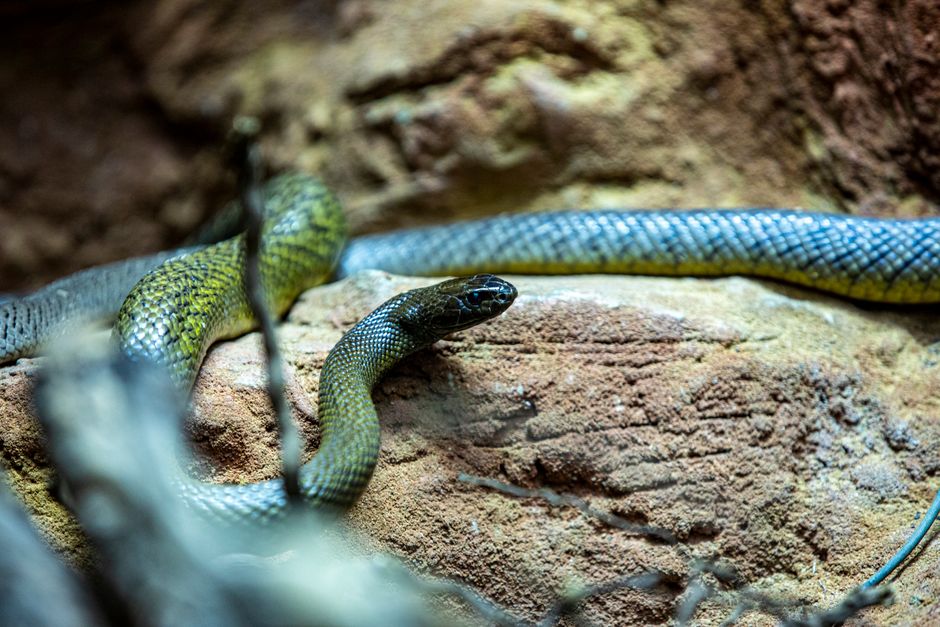
Spring has arrived, and with it comes the return of one of Australia's most attention-grabbing seasonal events: snake season. As temperatures climb across the country, snakes are becoming more active — and encounters with them in backyards, gardens and even inside homes are likely to rise. With more than 2,100 Australians hospitalised due to snake bite in 2024–25, knowing how to respond calmly and correctly could be a matter of life or death.
Australia's Snake Population: More Diverse — and Dangerous — Than You Might Think
Australia is home to more than 170 land and sea snake species, including roughly 100 venomous varieties. Of those, around 12 are considered capable of delivering a fatal bite. From the commonly spotted green tree snake to the diamond python, even species many people believe they can identify can be mistaken for something far more dangerous.
According to Wildlife Information Rescue and Education Service (WIRES) spokesperson and snake enthusiast John Grant, the safest rule of thumb is straightforward: treat every snake as though it is venomous, regardless of what you think it might be.
Brumation, Not Hibernation: Why Snakes Are Back Right Now
Many Australians assume snakes disappear entirely during winter, but the reality is more nuanced. Grant explains that Australian snakes undergo a process known as brumation — a state in which their metabolic rate slows significantly during the cooler months to conserve energy. Unlike full hibernation, brumating snakes can and do venture out occasionally to feed.
"They actually never go completely into hiding," Grant says. "They'll still go out and get a feed every now and then."
Once warmer weather arrives, brumation ends and snakes shift into a more active phase — hunting for food and seeking out mates. That combination makes spring and summer the period when human-snake encounters spike.
What To Do If You Encounter a Snake
The most important piece of advice Grant offers is also the simplest: do not attempt to handle, move, contain or kill the snake yourself. All of these actions increase the risk of a bite significantly.
"Don't approach it. Don't try to contain it. Don't try to move it. And worst of all, don't try to kill it," he says.
Grant notes that fear is often what leads people into dangerous situations. When a person panics or backs a snake into a corner, the animal may feel threatened and act defensively. Snakes, he stresses, do not view humans as prey.
"We're not a food source for the snakes in Australia, so they see us as a threat and just keep away. They're going to want to get away from us as quickly as they can," Grant says.
If a snake is found indoors or in a garden, the priority is to keep people, children and pets well away from the animal and call a licensed snake catcher or wildlife rescue service to remove it safely. Even non-venomous snakes can deliver a painful bite, so pets — particularly cats and dogs — should be kept at a safe distance.
The Dangers of DIY Snake Catching
One growing concern Grant raises is the influence of social media on people's behaviour around snakes. Videos of snake handlers making captures look straightforward have created a false impression that anyone can do it.
"One of the problems that's happening at the moment is that there are a lot of snake capture videos on YouTube and other channels, and it's giving people the wrong idea that they can do it themselves," Grant warns. "The people involved have to be trained."
The message is clear: leave it to the professionals. No matter how confident you feel, attempting to catch or relocate a snake without proper training puts both you and the animal at serious risk. When in doubt, back away, keep others clear, and call for expert help.


