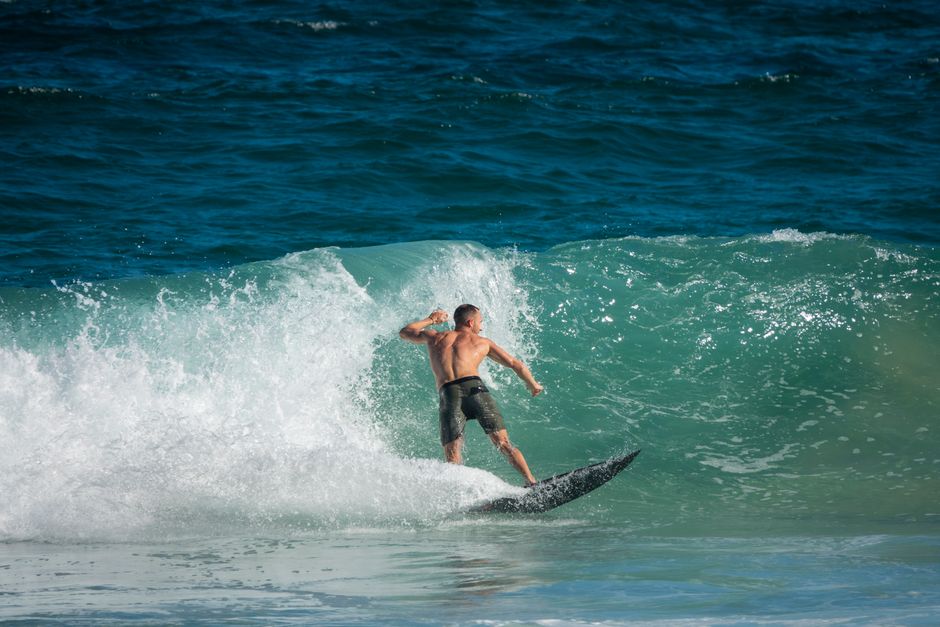
A new franchise-based surfing competition promising career-changing $10,000 weekly wages for Australian surfers is set to launch in January 2028, with its founder targeting a broadcast deal and private investors to fund a venture estimated to cost more than $20 million in its first season. The Surfing Super League (SSL) — described by its own leadership as "the Big Bash of surfing" — will pit eight teams against each other across a nine-week home-and-away season along the east coast of Australia.
The league has been unveiled by Chris Mater, its majority owner and former Surfing Australia chief executive, who says the competition is designed to fill a genuine gap in the domestic sporting calendar rather than challenge the existing world tour structure.
How the Surfing Super League Will Work
Unlike traditional professional surfing formats — which rely on multi-week waiting periods at world-class breaks and unpredictable conditions — the SSL will run on a fixed Saturday and Sunday afternoon schedule during school holidays. Each event will be a 90-minute, relay-based contest featuring teams of four surfers competing at spectator-friendly beach venues.
The format is deliberately designed to guarantee broadcast-ready content even during summer months when reliable surf conditions are typically harder to come by. Each of the eight franchises will carry a squad of six surfers — four men and two women — with total player wages across the competition's 48 athletes projected to exceed $4.2 million.
The January–February season is timed to sit within the World Surf League's off-season, and falls neatly between cricket's Test schedule and the start of the NRL and AFL seasons — a window Mater believes is ripe for a new broadcast product.
Big Names Already On Board
Olympic bronze medallist Owen Wright has come out of competitive retirement to join the SSL, with Wright himself saying the league is "going to change lives for the next generation." Also signed on are big-wave record-holder Laura Enever and former world No.2 Bede Durbidge.
The competition is deliberately targeting surfers outside the WSL Championship Tour — those Mater describes as "out-of-market" domestic and international competitors — as well as Australia's emerging generation of professional surfers.
The Business Model and Broadcast Talks
Documents lodged with the Australian Securities and Investments Commission show the SSL was initially valued at approximately $13.53 million, based on a seed investment of $483,333 for a 3.6 per cent stake by David Elsworth, an Australian entrepreneur with a background in senior marketing roles with Coca-Cola in Japan and business interests including a Japanese gin distillery and pet care company. The league's valuation has since been marked significantly higher.
Mater says he is confident of securing a broadcast partner, with negotiations ongoing with DAZN, the owner of subscription streaming platform Kayo, while free-to-air networks Nine, Seven and Ten have also been approached. A search for a principal partner and franchise-level sponsors is now under way.
The business model projects that two of the eight franchises being sold to private investors would be sufficient for the league to turn a profit after season one.
'Not a Rebel League'
Mater has pushed back firmly against any suggestion the SSL is positioning itself against surfing's established world tour.
"I wouldn't call this a rebel league at all," Mater said. "I think it's a complementary league. Or I would ask, is the V8 Supercars a rebel league? This is a format Australian surfing needs. We're not trying to compete with the WSL."
"There's a big gap in the domestic market given pro surfing focuses on the international stage, and the national bodies focus on junior development. But what we're doing is creating a real 'made for TV' event."
Notably, Surfing Australia — the sport's national governing body — is not involved in the start-up league, and representatives were unable to be reached for comment. There are also indications the SSL's schedule could potentially overlap with Surfing Australia's own teams-based competitions, a tension that may need to be resolved before the 2028 launch.


