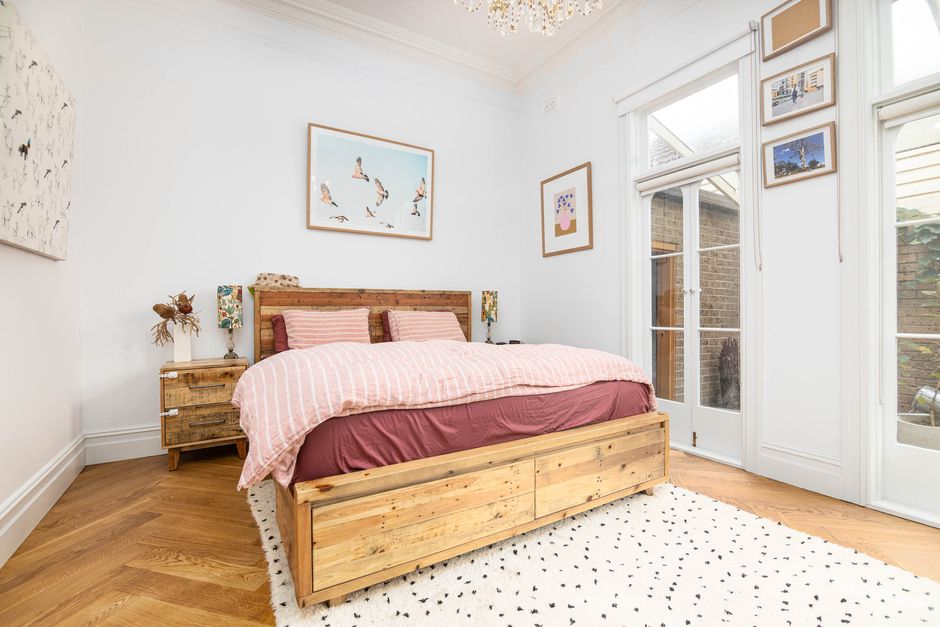
A Brisbane mother on the verge of becoming an empty nester says she would love to rent out her spare rooms at an affordable rate — but fears around tax liability have so far stopped her from acting. Her dilemma reflects a broader national challenge: census data suggests there could be as many as 13 million spare bedrooms sitting idle across Australia, even as renters struggle to find affordable housing.
Ali Bradley describes herself as one of the fortunate ones when it comes to housing, and she wants to help others in a market she acknowledges is in crisis. Her children leaving home will free up multiple rooms, and she has considered offering them to tenants at below-market rates — with the goal of covering her older home's maintenance costs rather than turning a profit.
"From my point of view, we're in a housing crisis. We need a wider range of solutions and we don't need deterrents," Ms Bradley said. She cited the "cost and complexity" of capital gains tax, income tax obligations, and the overall regulatory environment as key reasons she has held back.
Why Tax Is the Biggest Barrier to Homesharing
Researchers who have examined the resurgence of interest in boarding arrangements say tax concerns are the number one obstacle for homeowners considering taking in a lodger. A Queensland University of Technology property economist who has spent several years studying the issue said these kinds of live-in rental arrangements were once far more common — particularly for young people moving to cities for study or trade apprenticeships.
"That really sparked my interest into, why don't we do that anymore," the researcher said.
Her findings point to a cluster of concerns that discourage participation. Chief among them is the fear that renting a room to a stranger could expose the homeowner to both income tax and capital gains tax, potentially affecting the main residence exemption that protects most family homes from CGT on sale. For older homeowners, there is also the concern about the impact on pension eligibility.
Safety and security were also raised as barriers — the prospect of inviting an unknown person into one's home remains a significant hesitation for many.
ATO Exemptions Exist, But Remain Poorly Understood
The Australian Taxation Office has confirmed there are circumstances under which boarding arrangements do not attract tax — most notably when the person renting a room is a child or close family member. However, the ATO draws a clear distinction between those private, domestic arrangements and a formal tenancy offered to a stranger at arm's length, which is treated more like a standard rental income situation.
The lack of public awareness around these nuances appears to be compounding the problem, with many homeowners defaulting to caution rather than risk an unexpected tax bill.
Overseas Models Offer a Potential Blueprint
Advocates for homesharing reform point to international examples — including Ireland — where governments have introduced specific incentives to encourage homeowners to rent out spare rooms affordably. One model sets a threshold rental amount below which no tax is payable, effectively creating a safe harbour for those offering a room at an affordable rate.
"Countries are realising that new housing supply is a long way off and we do have a rental crisis and we need to be providing more affordable housing options to people," the QUT researcher said.
In most boarding arrangements, the person taking the room contributes to shared household costs — utilities, internet, insurance — rather than paying a set rent figure, which further complicates how these arrangements are classified under existing tax rules.
Calls for Clearer Rules to Unlock Spare Rooms
Homesharing advocates argue that clearer, simpler regulations around these arrangements could unlock a significant and largely overlooked source of affordable housing without requiring new construction. With millions of spare bedrooms already sitting in existing homes, they say the infrastructure is there — it is the policy settings that need to catch up.
Federal Housing discussions have recently reignited interest in the potential of spare rooms as part of the broader response to Australia's rental affordability challenge, though concrete policy proposals are yet to be confirmed.


