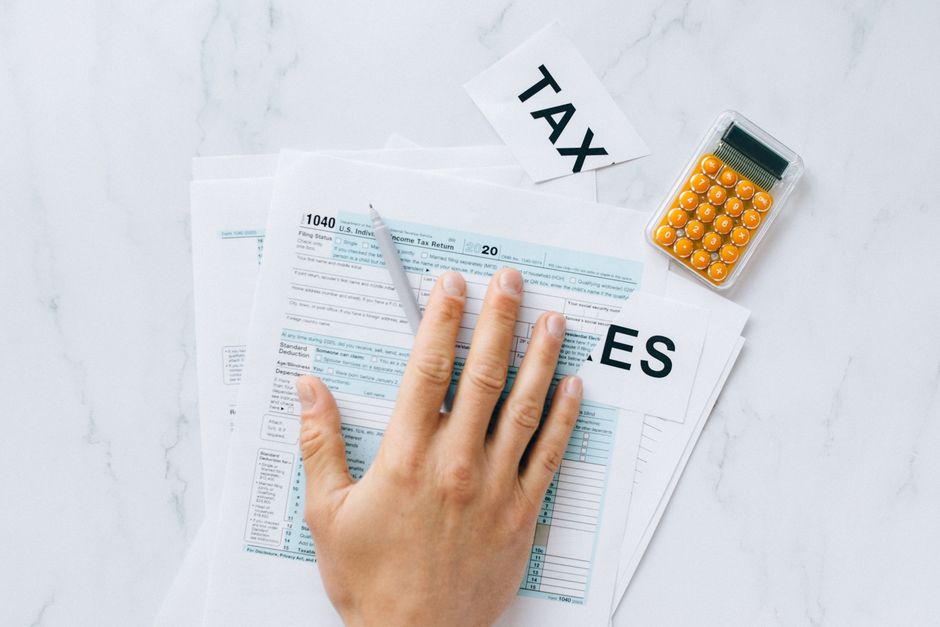
Around two million Australians are still to lodge their 2025-26 income tax return, with just two weeks remaining before the Australian Taxation Office's cut-off date of Monday, 2 November 2026. Those who miss the deadline face fines starting at $364 and climbing as high as $1,820, plus potential interest charges.
The ATO has already processed roughly nine million returns for the financial year, but a significant portion of self-preparers have yet to act. The standard deadline of 31 October has shifted to the next business day this year because the 31st falls on a Saturday.
Key dates and the tax agent option
For taxpayers who prepare and lodge their own returns, the hard deadline is 11.59pm on Monday, 2 November. Missing that window means the ATO may apply a failure-to-lodge (FTL) penalty.
There is an alternative path for those who are not yet ready: engaging a registered tax agent can extend the lodgement deadline as far as May 2027. However, there is a critical catch. You must be on your agent's books before 31 October, regardless of the fact that self-lodgers have until 2 November.
Tax expert Mark Chapman, communications director at H&R Block, urged Australians not to confuse the two timeframes. "Just because the self-lodgement deadline has moved to November 2 doesn't mean you can wait until then to register with a tax agent and automatically qualify for an extension," he said.
The ATO also cautions anyone choosing a tax agent to verify that their chosen professional is registered with the Tax Practitioners Board. ATO assistant commissioner Anita Challen warned taxpayers to be wary of anyone making unrealistic promises. "No reputable tax professional will encourage you to inflate your deductions, guarantee a refund amount, or claim they can fast-track ATO processing," she said.
What happens if you miss the tax return deadline
The ATO will not immediately hit late lodgers with a fine. The office says it will first attempt to contact taxpayers by phone or in writing before issuing a formal notice to lodge. Those facing genuine hardship or extenuating circumstances are encouraged to contact the ATO directly, as officers may be able to offer additional time to lodge or to pay any amount owing.
If a penalty is applied, taxpayers will receive a written notice detailing the amount and a payment due date of at least 14 days from the date the notice is issued.
FTL penalties are calculated at one penalty unit per 28-day period (or part thereof) that the return remains overdue, up to a maximum of five units for individuals. With each penalty unit currently valued at $364, the fine can reach:
- $364 for the first 28-day period
- An additional $364 for each subsequent 28-day period
- A maximum of $1,820 for individuals
The penalty range is multiplied for medium and larger business entities.
Chapman noted that the ATO does exercise discretion. "If you've got a good lodgement history, you're only a little late and you're expecting a refund, there's a reasonable chance you won't be penalised," he said. Repeat offenders or those who have ignored prior reminders from the ATO are likely to face a less forgiving response.
He also cautioned against the temptation to simply do nothing. "The ATO has access to an enormous amount of information from employers, banks, financial institutions and other third parties, so the idea that you can simply avoid lodging and somehow slip under the radar is unrealistic. The worst approach is to bury your head in the sand."
Common mistakes that catch taxpayers out
With many Australians scrambling to file at the last minute, tax experts warn that rushed returns tend to go wrong in both directions: people miss legitimate deductions they are actually entitled to, while also trying to claim costs they are not permitted to recover.
Working from home expenses are a prime example. Chapman said people either forget to claim their home office costs altogether, or they claim them without holding the necessary supporting records. The same oversight applies to work-related mobile phone usage, internet costs, professional subscriptions and union fees.
Another pitfall is placing too much faith in the pre-filled information that appears automatically in the ATO's online lodgement platform, myTax. While that data is generally reliable, it is not guaranteed to be complete. Income from a second job, bank interest, dividends, capital gains or earnings from a side hustle can sometimes be absent from the pre-filled details, leaving taxpayers inadvertently underreporting their income.
Taxpayers can also be caught out by claiming the full cost of an expense when only a portion of it is work-related, or by failing to apportion costs that are used for both personal and professional purposes.
With the window to lodge now closing fast, the message from both the ATO and tax professionals is consistent: act now, check your figures carefully, and do not assume that ignoring the deadline will go unnoticed.


